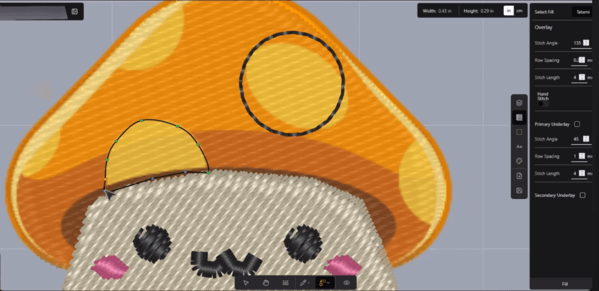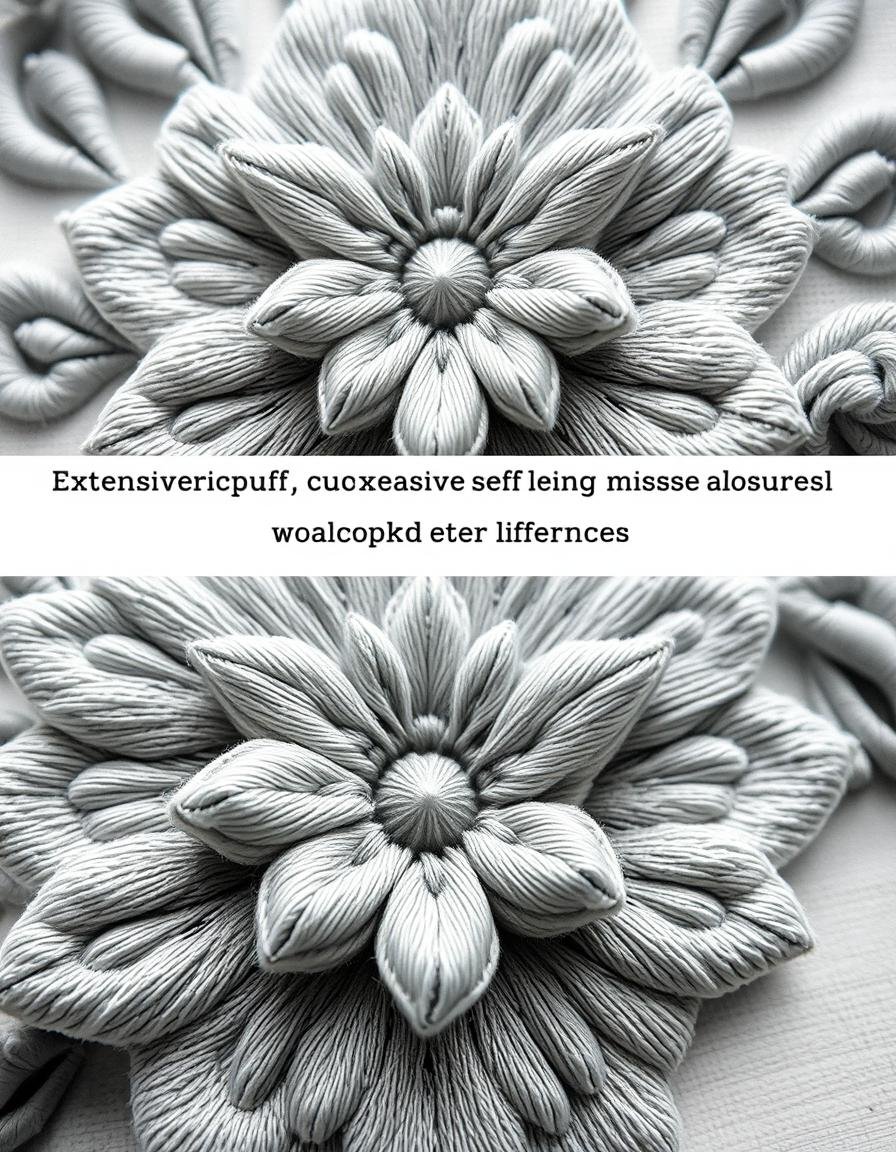

When it comes to 3D puff digitizing, avoiding common mistakes is essential for great results. Start by choosing the right fabric; remember, cotton and polyester react differently. Watch your design complexity, as intricate details can muddle the final look. Pay attention to stitch density—aim for 0.4 to 0.6 to avoid bulk. Don’t skip underlay stitches; they provide necessary stability. Finally, monitor your thread tension carefully to prevent loose or uneven stitches. By addressing these areas, you’ll enhance your digitizing process. There’s plenty more to explore to perfect your technique.
Key Takeaways
- Choose the appropriate fabric type; cotton and polyester behave differently, affecting the puff effect and overall design quality.
- Simplify intricate designs to enhance clarity and avoid overwhelming the embroidery machine with excessive color changes.
- Maintain optimal stitch density between 0.4 and 0.6 to prevent thread buildup while ensuring a professional appearance.
- Always incorporate underlay stitches to stabilize foam and prevent distortion, particularly on textured fabrics.
- Regularly test designs on similar fabrics to identify potential issues early, ensuring better final results.
Fabric Type Misunderstandings
Understanding the type of fabric you’re using is key, as it can greatly impact how your 3D puff embroidery turns out. Fabric type misunderstandings can lead to common mistakes in embroidery, making it essential to choose wisely. For example, cotton and polyester react differently during the digitizing process, affecting thread tension and overall design integrity. Thicker fabrics often require more underlay stitches and adjusted stitch density to maintain the desired puff effect.
If you’re working with stretchy materials, using stabilizers is important to avoid distortion during stitching. On the other hand, non-stretch fabrics may not need as much stabilization, but that doesn’t mean you can ignore the fabric’s texture. Rough fabrics like corduroy can complicate the digitizing process, necessitating different techniques than those used for smooth surfaces.
Professional digitizers understand these nuances, but if you’re less experienced, it’s essential to test your designs on the intended fabric type before production. Doing so helps you identify potential issues, such as puckering or inadequate puff, ensuring a better final result. By paying attention to these factors, you can avoid pitfalls and enhance your 3D puff embroidery outcomes.
Complexity in Design
When tackling 3D puff embroidery, it’s easy to get carried away with intricate designs that can ultimately muddle the final look.
Complexity in design can lead to poor quality results, making it hard for viewers to appreciate the intended image. As embroidery digitizers, you need to strike a balance between detail and simplicity. Focusing on key visual components helps create a clear, impactful design that avoids confusion.
One common mistake to avoid is excessive color changes. Too many shifts can overwhelm your embroidery machine and disrupt the stitching process. Instead, limit your color palette to enhance clarity and maintain the design’s integrity. Ignoring stitch placement can also exacerbate complexity, further complicating the end result.
Before final production, always test your design on similar fabric. This step can reveal issues related to complexity that mightn’t show up in a software preview. By simplifying design elements, you not only improve aesthetics but also guarantee the main features stand out effectively.
Ultimately, keeping your 3D puff embroidery designs straightforward will lead to more successful outcomes.
Stitch Density Issues
When it comes to stitch density in 3D puff digitizing, you need to find the sweet spot for your specific design and fabric type.
Too high a density can create stiffness, while too low can leave your design looking unfinished.
Testing various densities on similar fabrics can help you achieve that perfect puff effect.
Optimal Density Selection
Selecting the right stitch density is vital for achieving the perfect balance between coverage and the desired puff effect in 3D embroidery. The ideal density typically ranges from 0.4 to 0.6, which helps guarantee that your design maintains a professional look without excess bulk.
If you choose a higher stitch density, you risk thread buildup that can obscure the foam, while a lower density might leave your design looking incomplete.
Consider the thickness of the foam you’re using, as thicker foam often requires a lower stitch density to keep the puff effect intact. When digitizing, regularly assess the stitch density to avoid issues like puckering and uneven finishes, particularly with complex designs. Testing different densities on similar fabric samples is a smart way to find the most visually appealing option.
Don’t forget about underlay stitches, as they play a significant role in stabilizing your design. They can help mitigate thread breaks and guarantee your embroidery machine operates smoothly.
Adjusting for Fabric Type
Adjusting stitch density is vital to achieving the best results, as different fabric types can considerably impact how your 3D puff embroidery appears and performs. Thicker fabrics typically require a lower stitch density to prevent puckering, while thinner fabrics may benefit from a higher density for a fuller look.
When working with stretchy fabrics, it’s important to use a lower density to avoid distortion and maintain the design’s integrity during wear.
In embroidery digitizing, finding the right balance is significant. Dense stitches on fabrics like fleece can lead to excessive bulk, making your design look unprofessional. Conversely, using too sparse a stitch density on materials like denim may result in an incomplete appearance.
To guarantee the best results, always conduct testing the stitch on a sample piece of the intended fabric. This practice helps identify the best settings before you commit to the final design.
Importance of Underlay Stitches
Underlay stitches play an essential role in 3D puff digitizing by providing the necessary stability that keeps the foam in place throughout the embroidery process.
When you’re digitizing an embroidered design, using the right underlay types—like edge run or zigzag—can make a significant difference in how the final piece looks. These stitches not only keep the foam secured but also enhance the overall appearance on textured fabrics.
If you omit underlay stitches, you risk uneven stitching and distortion of the puff effect, which can compromise your design’s quality. For fabrics such as corduroy and fleece, it’s vital to carefully consider how you apply underlay to minimize fabric naps and guarantee smooth stitching.
Proper underlay helps distribute thread tension evenly, reducing the risk of puckering. This attention to detail enhances the durability of your embroidered design, making sure it stands the test of time.
Testing and Quality Assurance
Testing 3D puff designs on similar fabrics helps you catch potential issues early, ensuring your embroidery translates perfectly to the material.
It’s essential to conduct regular quality assurance checks, focusing on stitch density and underlay effectiveness. This prevents common mistakes in embroidery digitizing, like puckering or uneven stitching.
Documenting your test results is key; it streamlines the digitizing process and provides valuable reference points for future designs. When you take note of what works and what doesn’t, you can build on successful techniques.
Incorporating feedback loops during testing allows for continuous improvement. By gathering insights from each test, you can identify recurring mistakes and enhance the overall design quality. This iterative approach not only improves the current design but also informs your future projects.
Moreover, utilizing high-resolution images for initial designs and conducting thorough inspections post-stitching will help maintain visual clarity and detail in your final puff embroidery product.
Thread Tension Challenges
While thorough testing and quality assurance set the foundation for successful 3D puff designs, managing thread tension is equally important to guarantee a polished final product.
Incorrect thread tension can lead to loose stitches that not only compromise the design’s appearance but also its durability. It’s crucial to adjust tension settings based on the thickness and type of thread you’re using.
During the embroidery process, regularly checking and adjusting thread tension helps prevent common mistakes like thread breaks and uneven stitching.
Start with a medium tension setting and make incremental adjustments while monitoring stitch length and quality, especially when working with different materials and foam types.
Conclusion
In 3D puff digitizing, avoiding common pitfalls can make all the difference in your final product.
Did you know that around 30% of digitized designs fail due to improper stitch density and underlay issues?
By understanding fabric types, simplifying designs, and focusing on stitch quality, you can elevate your embroidery game.
Always remember to test your designs before the final run; it’s a small step that can save you time and money in the long run!