
If you’ve ever ordered a custom polo shirt with an embroidered logo, you might’ve noticed the higher price tag compared to a simple printed version. You’re likely wondering why that’s the case and if the added cost is truly worth it. Factors like design complexity, fabric type, and labor can greatly influence what you pay. But is that premium justifiable when you consider the long-term benefits? Exploring these nuances can shed light on whether embroidery is genuinely more expensive than stitching or if it’s a matter of value.
Overview of Embroidery Costs
When considering the costs of embroidery, you’ll find that several factors influence the overall price, including design complexity and fabric type.
If you’re opting for intricate designs with multiple colors, expect the price to rise due to the additional time and effort required.
The choice of fabric also plays a significant role; specialty materials like silk or canvas can cost more than standard cotton.
Additionally, the size of the embroidery affects the price—larger designs necessitate more thread and longer stitching time.
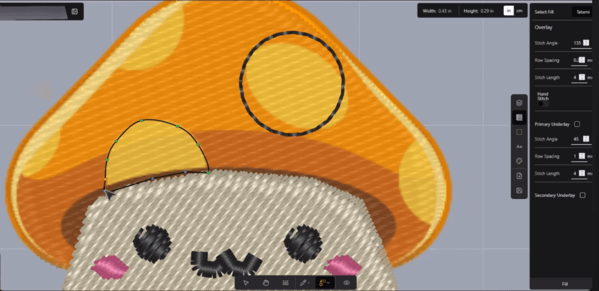
Don’t forget about setup fees for digitizing your design, as this can add to your initial costs.
Overview of Stitching Costs
When you consider stitching costs, it’s crucial to break down material expenses and analyze labor costs.
These factors can greatly impact your overall budget and help you make informed decisions.
Let’s explore how each of these elements contributes to the total stitching expenses.
Material Expenses Breakdown
Understanding the material expenses involved in stitching is essential for making informed decisions about your project costs.
The primary materials you’ll need include fabric, thread, and any backing or stabilizer. Fabric costs vary based on type and quality, so choose wisely to fit your budget.
Thread, while often overlooked, can add up, especially if you opt for specialty threads or colors.
Don’t forget about stabilizers, which provide support and prevent puckering; their costs can also influence your overall budget.
If you’re incorporating additional elements like buttons, zippers, or embellishments, factor those into your material expenses as well.
Labor Cost Analysis
Labor costs play an essential role in determining the overall expenses of your stitching project, impacting both pricing and profitability. Understanding these costs can help you make informed decisions and optimize your budget.
Here are some key factors to evaluate:
-
Skill Level: More experienced stitchers often command higher wages, but their expertise can lead to better quality work.
-
Project Complexity: Intricate designs or larger projects may require more labor hours, increasing overall costs.
-
Production Speed: Faster production can reduce labor costs, but it might compromise quality if rushed.
Material Expenses Comparison
When comparing material expenses for embroidery and stitching, you’ll notice that thread quality plays a significant role in overall costs.
The type of fabric you choose also greatly influences your budget.
Understanding these factors can help you make informed decisions for your project.
Thread Quality Impact
Choosing high-quality thread can greatly affect your overall material expenses in embroidery versus stitching. When you invest in superior thread, you’re likely to see several benefits that can impact your costs down the line.
-
Durability: High-quality threads withstand wear and tear better, reducing the need for frequent replacements.
-
Fewer Breakages: Investing in quality means fewer thread breaks during production, which saves you time and money.
-
Vibrant Colors: Quality threads retain their color and sheen longer, enhancing the overall appearance and potentially increasing your product’s market value.
While the initial cost may be higher, the long-term savings and benefits often outweigh the upfront expenses.
Ultimately, focusing on thread quality can lead to more economical choices in your embroidery projects.
Fabric Type Influence
The type of fabric you select greatly impacts your material expenses in embroidery and stitching projects. Different fabrics come with varying costs, and understanding these differences can help you budget effectively. For instance, basic cotton is typically more affordable than specialty fabrics like silk or canvas. Here’s a quick comparison to illustrate:
| Fabric Type | Average Cost per Yard |
|---|---|
| Cotton | $5 |
| Polyester | $7 |
| Denim | $10 |
| Canvas | $12 |
| Silk | $25 |
Labor Costs in Embroidery
Labor costs in embroidery can greatly impact your overall budget, often varying based on factors like design complexity and production volume. When you’re considering an embroidery project, it’s vital to account for these costs to avoid surprises.
Here are a few important points to keep in mind:
-
Design Complexity: Intricate designs require more time and skill, increasing labor costs.
-
Production Volume: Larger orders may benefit from lower per-unit labor costs due to economies of scale.
-
Skill Level: Experienced embroiderers may command higher wages, but their expertise can lead to better quality.
Understanding these factors can help you make informed decisions, ensuring you stay within budget while achieving the desired quality for your embroidery projects.
Labor Costs in Stitching
When you think about labor costs in stitching, it’s essential to take into account how rates can vary based on location and skill level.
You’ll also want to evaluate the time efficiency of stitching compared to other methods.
Understanding these factors can help you make informed decisions for your projects.
Labor Rate Variability
Understanding the variability in labor rates can greatly impact your overall costs in stitching projects. Different factors contribute to labor rate differences, and it’s crucial to grasp these nuances.
Here are some key points to reflect on:
-
Geographic Location: Labor rates can vary considerably based on where your project is being produced.
-
Market Demand: High demand for stitching services may drive up rates, while lower demand can lead to more competitive pricing.
-
Project Complexity: More complex designs may require skilled labor, increasing costs.
Skill Level Requirements
The skill level required for stitching directly influences the labor costs you’ll encounter, as more experienced artisans typically command higher rates for their expertise.
If you’re looking to achieve intricate designs or high-quality craftsmanship, you’ll want to take into account hiring skilled professionals. These artisans bring years of practice and a refined eye for detail, which can elevate your project.
However, if you opt for less experienced stitchers, you might save on labor costs, but you could risk lower quality and potential mistakes.
Keep in mind that investing in skilled labor can lead to a more polished final product, which may ultimately save you money in rework or dissatisfaction.
Balancing skill level with budget is essential for your project’s success.
Time Efficiency Comparison
Considering the skill level of your stitchers, time efficiency plays a significant role in determining overall labor costs in stitching projects. When your team can work quickly and accurately, you’ll save on labor costs, making stitching more cost-effective in the long run.
Here are some factors to keep in mind:
-
Experience Level: More skilled stitchers complete projects faster, reducing labor hours.
-
Complexity of Design: Intricate designs take longer to stitch, increasing costs.
-
Equipment Used: Advanced machinery can expedite the stitching process, enhancing efficiency.
Equipment and Setup Fees
How much you invest in equipment and setup fees can greatly impact your overall embroidery or stitching costs.
For embroidery, you’ll need a specialized machine, which can range from a few hundred to several thousand dollars. Additionally, consider the cost of software for design, thread, and stabilizers. These initial investments can add up quickly.
On the other hand, stitching typically requires less specialized equipment. Basic sewing machines are often more affordable, and you might already have some supplies on hand.
However, if you’re planning to take on larger projects, you may need additional tools, which can also contribute to your costs.
Ultimately, evaluating your equipment needs is essential to understanding the financial implications of either method.
Time Investment for Each Method
Time spent on each method can vary considerably, affecting your overall project timeline. When you’re deciding between embroidery and stitching, it’s crucial to take into account how long each will take.
Embroidery typically involves setup and digitizing, which can be time-consuming, especially for complex designs.
Stitching often requires less initial preparation, allowing you to start faster, but intricate patterns may still take time to complete.
Finishing touches for both methods can also add to your timeline; embroidery may need extra care to guarantee threads are secure, while stitching might require additional steps for neatness.
Understanding these time investments can help you plan and budget your project more effectively, guaranteeing you meet deadlines while achieving the desired results.
Quality and Durability Factors
While time is an important aspect, the quality and durability of your chosen method can greatly impact the longevity and appearance of your finished product.
When you opt for embroidery, you’re likely investing in a more robust design. The threads used in embroidery are typically thicker and more resilient, making your artwork less prone to fading or fraying over time.
On the other hand, stitching, while often quicker and less expensive upfront, may not hold up as well under wear and tear. You might find that embroidered items maintain their appeal longer, even after multiple washes.
Ultimately, if you prioritize quality and durability, embroidery could prove to be a smarter choice in the long run, enhancing the value of your investment.
Customization Options and Costs
Customization options can greatly influence the overall cost of your project, with embroidery often allowing for more intricate designs compared to basic stitching.
When you choose embroidery, you’re investing in a technique that offers a wide range of possibilities. However, these custom options can also drive up costs.
Consider these factors when evaluating your budget:
-
Design Complexity: More detailed designs require more time and resources, increasing the price.
-
Thread Types: Specialty threads, like metallic or variegated options, can add to your expenses.
-
Quantity: Ordering in bulk often lowers the cost per item, but each method’s setup fee may vary.
Final Thoughts on Cost Effectiveness
When weighing the cost effectiveness of embroidery versus stitching, it’s essential to evaluate not just the initial price but also the long-term value each method brings to your project.
Embroidery often requires a higher upfront investment due to the equipment and materials involved, but it delivers enhanced durability and a professional appearance that can make a significant difference in branding and customer perception.
On the other hand, stitching may seem cheaper initially, but it mightn’t hold up as well over time, leading to additional costs for replacements or repairs.
Ultimately, consider how each method aligns with your overall goals and budget. The right choice will balance initial costs with the longevity and quality you desire for your final product.
Conclusion
In the end, while embroidery might seem pricier upfront, it often pays off in durability and quality.
Did you know that embroidered designs can last up to 25% longer than those done with stitching? This means you’re not just investing in a product; you’re investing in longevity.
So, when weighing your options, consider not just the initial cost, but also how each method aligns with your long-term needs and desired quality.
Frequently Asked Questions
What Types of Fabrics Are Best Suited for Embroidery?
When choosing fabrics for embroidery, opt for cotton, linen, or polyester. These materials hold stitches well and showcase vibrant colors. Avoid stretchy or slippery fabrics, as they can distort your design during the stitching process.
Can I Combine Embroidery and Stitching Techniques for Cost Savings?
Sure, you can certainly combine creative embroidery and stitching techniques for cost savings! By blending both methods, you’ll enhance your design while potentially reducing material waste and labor time. Experimenting’s the key to clever cost-cutting!
How Does Design Complexity Affect Embroidery Costs?
Design complexity greatly impacts embroidery costs. The more intricate the design, the higher the thread count and stitch density, which increases production time and resources. You’ll find simpler designs are usually more cost-effective to produce.
Are There Hidden Fees Associated With Embroidery Services?
Did you know around 25% of embroidery projects incur hidden fees? When you’re choosing services, watch for setup charges, digitizing costs, or rush fees that can unexpectedly inflate your final bill. Always ask beforehand!
What Is the Average Lifespan of Embroidered Versus Stitched Items?
Embroidered items typically last longer than stitched ones due to their durable thread and technique. You’ll find that with proper care, embroidered pieces can maintain their quality and appearance for years, often outlasting standard stitching