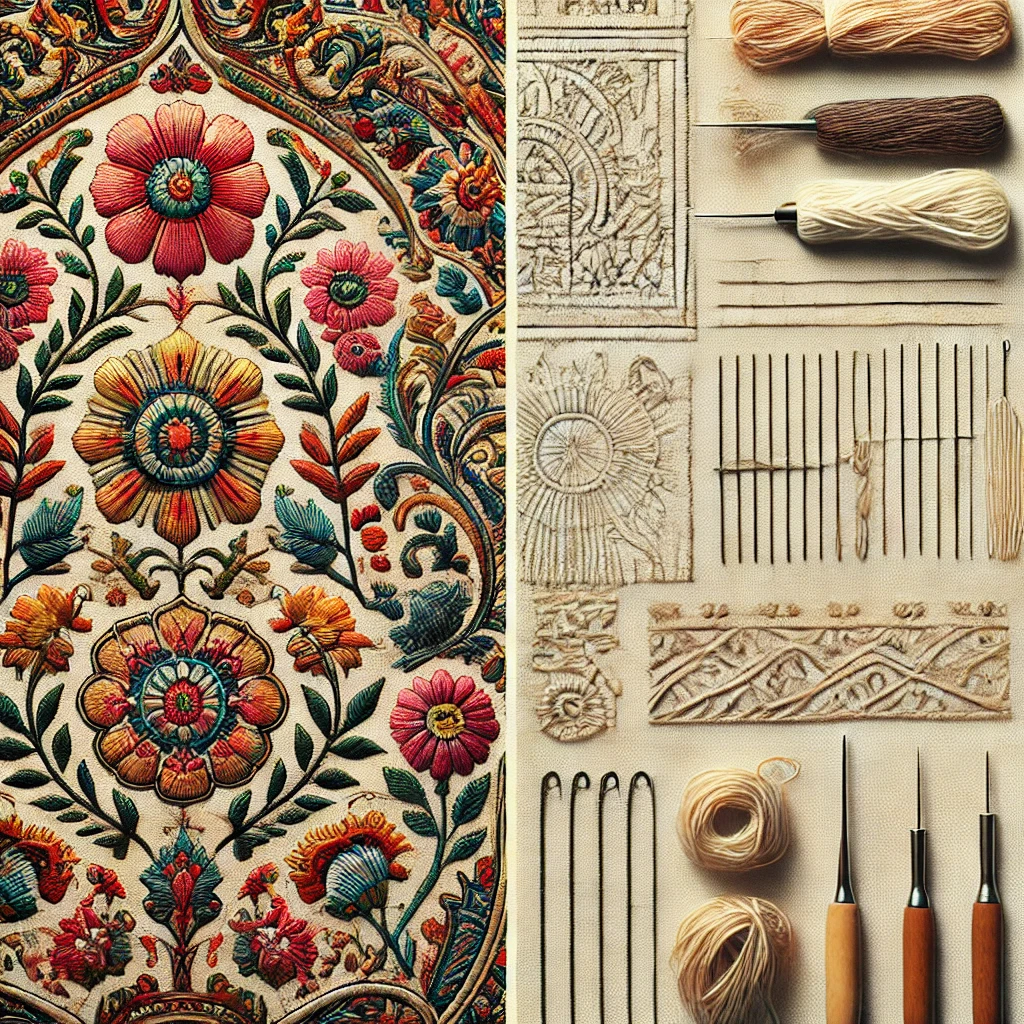
Embroidery and stitching might seem similar at first glance, but they reveal contrasting depths in the domain of artistic expression. You’ll find that embroidery thrives on embellishment and intricate detail, while stitching leans towards functionality and structure. Understanding how these techniques differ can transform your approach to textile art, allowing you to make more intentional choices in your projects. As you explore the nuances of each method, consider what emotions and stories you want your work to convey, and how the choice between embroidery and stitching can shape that narrative.
Defining Embroidery and Stitching
Embroidery and stitching are essential techniques that bring fabric to life through decorative and functional designs.
You can think of embroidery as the art of embellishing fabric with intricate patterns, often using colored threads, beads, or other materials. It allows your creativity to shine through, making each piece unique.
On the other hand, stitching serves both functional and decorative purposes, binding fabric together with various techniques like straight, zigzag, or blanket stitches.
While both methods enhance textiles, embroidery focuses on creating visual artistry, while stitching emphasizes construction and durability.
Understanding these differences empowers you to choose the right technique for your artistic projects, ensuring your creations not only look stunning but also stand the test of time.
Historical Context of Textile Arts
Textile arts have a rich history that reflects cultural values and innovations, showcasing how techniques like embroidery and stitching evolved over time.
You’ll find that these forms of expression date back thousands of years, with evidence found in ancient civilizations.
Different cultures adapted stitching and embroidery methods to create intricate patterns, often symbolizing their beliefs and stories.
For instance, the Chinese developed elaborate silk embroidery during the Tang Dynasty, while Native American tribes used beadwork and stitching to convey identity.
Over time, these arts transformed, influenced by trade and globalization.
As you explore their history, you’ll see how these techniques not only served functional purposes but also became powerful mediums for storytelling and self-expression in various communities.
Tools and Materials Used
When you’re working on embroidery and stitching projects, choosing the right tools and materials can make all the difference.
You’ll want to explore essential tools, understand the various fabric choices, and compare different thread varieties to elevate your work.
Let’s break down each of these components to help you get started.
Essential Tools Overview
You’ll often need a variety of essential tools and materials to bring your artistic stitching projects to life.
Start with a good pair of scissors; they’ll help you cut threads and fabric cleanly. A selection of needles is vital, as different projects may require specific sizes or types. Don’t forget embroidery hoops or frames to keep your fabric taut while you work.
Thread comes in various types, so choose wisely based on your project. A pin cushion will keep your needles organized and easily accessible. Finally, consider a thimble to protect your fingers, especially when working with thicker materials.
Fabric Choices Explained
Choosing the right fabric can greatly impact the outcome of your embroidery and stitching projects, so consider the texture, weight, and durability of each option. Different fabrics offer unique characteristics that can enhance your designs. Here’s a quick reference table to help you choose:
| Fabric Type | Texture | Best For |
|---|---|---|
| Cotton | Soft, smooth | General projects |
| Linen | Crisp, textured | Vintage or rustic styles |
| Felt | Thick, sturdy | Appliqué and kids’ crafts |
| Silk | Luxurious, shiny | Elegant, detailed work |
Thread Varieties Comparison
Different thread varieties can greatly influence the appearance and durability of your embroidery and stitching projects.
When choosing threads, consider the material—cotton, polyester, and silk all offer unique textures and finishes. Cotton threads provide a matte look and are ideal for beginners, while polyester threads are stronger and resistant to fading. Silk threads, with their luxurious sheen, create stunning details but can be more challenging to work with.
Additionally, thread weight matters; lighter threads are great for delicate work, while heavier threads can add depth and texture. Always match your thread to your project’s purpose and fabric type for the best results.
Experimenting with different thread varieties can elevate your artistry and bring your creative vision to life.
Techniques and Methods
Mastering a variety of embroidery techniques and methods can elevate your artistic projects and bring your creative vision to life.
By exploring different approaches, you’ll enhance your skills and expand your possibilities. Here are some essential techniques to contemplate:
-
Backstitch: Perfect for creating outlines and adding definition to your work.
-
Satin Stitch: Ideal for filling shapes with solid color, giving a smooth finish.
-
French Knot: Adds texture and dimension, great for floral designs or accents.
-
Chain Stitch: Offers a decorative line that can flow beautifully through your pieces.
Experimenting with these methods not only enriches your projects but also helps you discover your unique style.
Each stitch tells a story, so let your creativity flow!
Artistic Intent and Expression
Artistic intent and expression in embroidery allow you to convey your emotions and messages through every stitch you make. Each choice, from color to pattern, reflects your unique perspective.
When you select a specific thread or technique, you’re not just crafting; you’re communicating. The imagery you create can tell stories, evoke feelings, or challenge societal norms. You can explore themes of identity, memory, or nature, giving depth to your work.
Additionally, the tactile nature of embroidery invites viewers to engage more intimately with your art, fostering a deeper understanding of your intentions. By embracing this medium, you transform simple fabric into a powerful canvas for self-expression, inviting others to connect with your vision on multiple levels.
Functional Vs. Decorative Purposes
When you think about embroidery, you might consider its practical uses alongside its beauty.
Functional pieces can serve everyday needs, while decorative stitching enhances visual appeal.
Understanding the balance between these aspects can elevate your artistic projects.
Practical Applications of Embroidery
Embroidery serves both functional and decorative purposes, enhancing everyday items with unique flair while also providing practical benefits. You can easily incorporate embroidery into your projects to elevate their utility and aesthetics.
Here are some practical applications you might consider:
-
Reinforcement: Stitching can strengthen seams and prevent fabric fraying.
-
Personalization: Embroidery allows you to customize items, making them one-of-a-kind.
-
Repair: You can use embroidery techniques to mend torn fabrics creatively.
-
Identification: Adding initials or logos helps distinguish personal belongings or uniforms.
Aesthetic Value of Stitching
While practical applications of stitching enhance functionality, the aesthetic value it brings to projects can transform ordinary items into enchanting works of art.
You can elevate your creations by choosing colors, patterns, and techniques that resonate with your personal style. Decorative stitching not only beautifies but also tells a story, inviting viewers to connect emotionally with your work.
Whether it’s a delicate embroidery on a pillow or bold, geometric patterns on a tote bag, the visual impact is undeniable. By focusing on the decorative aspects, you create pieces that serve as both functional items and eye-catching displays.
In this way, stitching becomes a bridge between utility and artistry, allowing you to express creativity while providing value to everyday objects.
Styles and Patterns in Embroidery
Exploring the diverse styles and intricate patterns in embroidery can inspire creativity and elevate your artistic projects. Each style offers unique elements that can enhance your work.
Here are some notable styles to contemplate:
-
Traditional: Rich cultural heritage often featuring floral and geometric designs.
-
Modern: Minimalist aesthetics with bold colors and abstract patterns.
-
Mixed Media: Combines embroidery with other materials, adding texture and depth.
-
Freeform: Encourages spontaneity, allowing for a personal touch in each creation.
Stitching in Contemporary Art
In contemporary art, stitching takes on new meanings, reflecting both historical contexts and modern techniques.
You’ll see how artists use various materials to create powerful statements, often rooted in cultural significance.
Let’s explore how these elements come together to shape the narrative of stitching in today’s artistic landscape.
Historical Context of Stitching
Stitching has woven its way into contemporary art, transforming traditional practices into powerful forms of expression.
You’ll notice how artists now embrace stitching to convey complex themes and emotions, challenging the boundaries of what art can be. This revival reflects a deep connection to history, culture, and identity.
It reclaims domestic crafts, elevating them to fine art status.
Artists often use stitching as a narrative tool, telling stories through fibers.
It offers a tactile, intimate experience, engaging viewers on multiple levels.
The practice fosters community, as collaborative projects unite creators and audiences.
Techniques and Materials Used
Artists today utilize a variety of innovative techniques and materials in their stitching projects, pushing the boundaries of traditional methods to create striking visual narratives.
You might notice that many contemporary artists experiment with unconventional threads, such as metallic or recycled fibers, to add texture and depth.
Layering fabrics is another popular technique, allowing you to create complex compositions that draw the viewer in.
Additionally, digital technology plays a role; some artists incorporate machine stitching or even 3D printing to achieve intricate designs.
Don’t forget about color—artists often use dyeing techniques or fabric paints to enhance their pieces.
Cultural Significance in Art
Embroidery serves as a powerful medium in contemporary art, reflecting cultural narratives and personal stories through intricate designs and techniques.
You’ll notice how artists use stitching not just for aesthetics but to convey deeper meanings. Here are some cultural significance aspects you might find fascinating:
-
Identity Exploration: Artists express their cultural backgrounds and personal identities.
-
Historical Commentary: Stitching can critique societal issues and historical events.
-
Community Engagement: Collaborative projects foster connections and shared experiences.
-
Gender Perspectives: The medium often challenges traditional gender roles associated with craft and art.
Emotional Impact on the Artist
Creating intricate patterns can evoke deep emotions, allowing you to express feelings that words often fail to capture. As you stitch, you might find that the rhythm of your hands brings forth reflections on your inner world. Each thread connects you to your experiences, transforming pain, joy, or nostalgia into tangible art.
Here’s a visual representation of how different techniques impact emotional expression:
| Technique | Emotional Impact |
|---|---|
| Embroidery | Personal storytelling |
| Stitching | Immediate catharsis |
| Combination | Deepened emotional resonance |
Combining Both Techniques
Combining embroidery and stitching can amplify your emotional expression, allowing for richer storytelling and deeper connections in your artistic projects. By merging these two techniques, you can create unique textures and intricate designs that resonate with your audience.
Consider these benefits:
-
Enhanced Detail: Use embroidery for delicate patterns and stitching for bold lines.
-
Layered Narratives: Blend techniques to tell a multi-faceted story.
-
Emotional Depth: Each stitch can represent a feeling, creating a narrative tapestry.
-
Versatile Applications: Incorporate both in wearable art, home décor, or mixed media projects.
Embracing both methods not only elevates your work but also invites viewers to engage on a more personal level, enriching their experience with your art.
Conclusion
To summarize, understanding the differences between embroidery and stitching can transform your artistic projects.
Think about a hypothetical artist who blends both techniques to create a stunning piece depicting resilience—a stitched background symbolizing strength, complemented by delicate embroidery that expresses hope.
This combination not only showcases their skill but also deepens the emotional connection with the audience.
By choosing the right method, you can convey powerful messages and enrich your creative journey.
Frequently Asked Questions
What Are the Best Beginner Projects for Embroidery and Stitching?
If you’re starting with embroidery, try simple patterns like bookmarks or coasters. For stitching, consider basic fabric appliqué or simple quilt squares. Both projects help you practice skills while creating something useful and beautiful.
How Can I Choose the Right Fabric for My Project?
Choosing fabric’s like picking the right canvas for a masterpiece. Consider weight, texture, and color. For embroidery, softer fabrics like cotton work well, while sturdier options suit stitching. Match your project’s vibe for the best results.
Are There Specific Color Theories for Embroidery and Stitching?
Yes, there are color theories for embroidery and stitching. You can use complementary colors for contrast or analogous colors for harmony. Experimenting with these concepts can enhance your work and create visually striking pieces.
How Do I Care for and Maintain My Stitched Artwork?
Think of your stitched artwork like a cherished book. To maintain its beauty, gently dust it, avoid direct sunlight, and store it flat. With love and care, your creations will tell stories for years to come.
Can I Use Embroidery and Stitching in Mixed Media Art?
Absolutely, you can use embroidery and stitching in mixed media art! These techniques add texture and depth, enhancing your overall composition. Experiment with various materials to create unique, visually striking pieces that reflect your personal style