When designing for 3D puff embroidery, you need to focus on bold and well-defined elements to guarantee visibility. Choose sturdy fabrics like twill and high-quality polyester thread for lasting results. Limiting colors and simplifying your design will enhance its recognizability. The digitizing process is essential; make certain to adjust stitch density and underlay settings properly. Additionally, test your designs on sample fabrics to assess texture and vibrancy. By avoiding common mistakes, like excessive details, you’ll achieve a stunning final product. There’s a lot more to explore in perfecting your puff embroidery techniques.
Understanding 3D Puff Embroidery
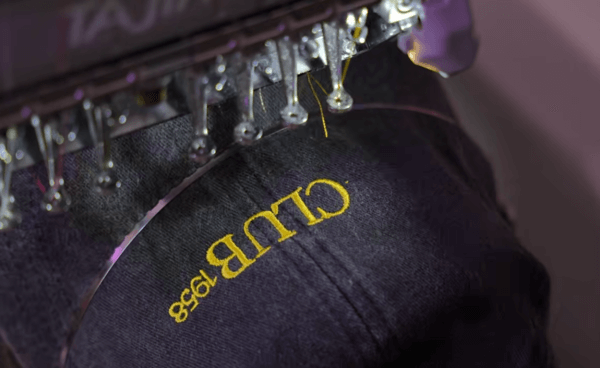
When you explore 3D puff embroidery, you’ll discover it’s a unique technique that adds depth and texture to your designs. This method involves using raised foam beneath the stitches, creating a three-dimensional effect that stands out visually.
You’ll find that it’s perfect for logos, lettering, and intricate patterns, as the puff elevates your work, making it eye-catching.
To achieve this effect, you’ll need to adjust your design elements, ensuring they’re bold and well-defined, so they pop on the fabric. Keep in mind that the stitching density and placement are essential; too dense, and you risk losing the puff effect.
Embrace this innovative approach to elevate your embroidery projects and captivate your audience with stunning visual appeal.
Choosing the Right Materials
Selecting the right materials is essential for achieving the best results in 3D puff embroidery. You’ll want to choose fabrics that provide the necessary stability and support for the raised design. Here are some materials to contemplate:
| Material Type | Description |
|---|---|
| Foam | Provides volume and depth. |
| Fabric | Opt for a sturdy base, like twill. |
| Thread | Use high-quality polyester for durability. |
Using the right combination will enhance your design’s appearance and longevity. Make certain to test your materials before starting your project to confirm compatibility. Remember, the choice of materials can greatly impact the final outcome, so take your time to select wisely.
Design Considerations for Puff Embroidery
When you’re designing for puff embroidery, fabric selection is essential; the right material can make or break your project.
You also need to take into account the complexity of your design, as intricate details may not translate well in this technique.
Balancing these factors will help you achieve the best results.
Fabric Selection Importance
Choosing the right fabric is essential for achieving the best results in puff embroidery. The fabric you select can greatly impact the final appearance and durability of your design. Look for materials that not only support the puffing process but also hold the embroidery well.
Here’s a quick comparison of suitable fabrics:
| Fabric Type | Characteristics |
|---|---|
| Cotton | Breathable, easy to work with |
| Polyester | Durable, holds shape well |
| Canvas | Thick, provides strong support |
| Blends | Versatile, combines benefits |
Design Complexity Limitations
While designing for puff embroidery, it’s crucial to take into account the complexity of your design, as intricate details can get lost in the puffing process.
Simple designs with bold outlines and larger elements tend to work best. Fine lines and tiny text may not translate well, leading to a muddled appearance.
Aim for a design that balances aesthetics and functionality, ensuring that it’s easily recognizable from a distance. You’ll also want to limit the number of colors used; too many can complicate the puffing process.
The Digitizing Process Explained
When you’re digitizing for 3D puff embroidery, it’s vital to understand the specific techniques that make this style stand out.
You also need to choose the right thread types to guarantee your design pops with texture and depth.
Let’s break down these essential points to optimize your digitizing process.
Understanding 3D Puff Techniques
Mastering the digitizing process is essential for creating stunning 3D puff embroidery that stands out in any design.
Start by selecting your artwork and confirming it’s suitable for puff techniques—simple, bold designs work best.
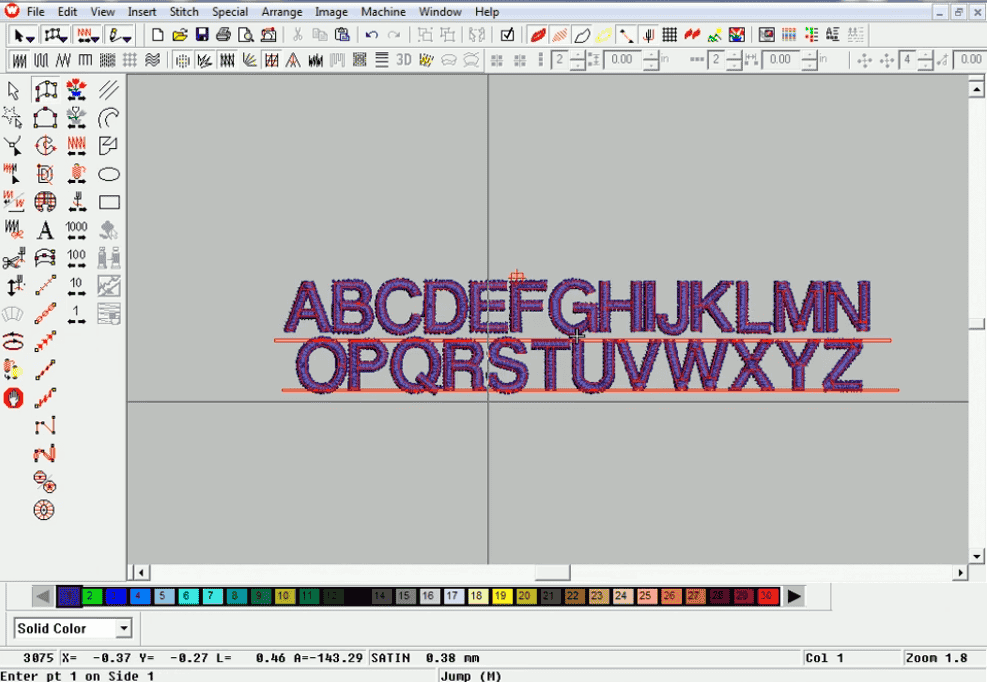
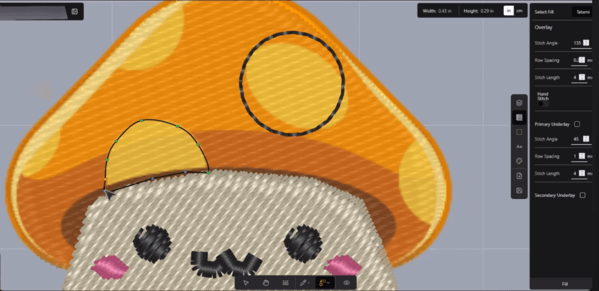
Next, use digitizing software to create a high-quality vector file. You’ll need to define the stitch density and underlay settings carefully; too dense, and the puff won’t rise effectively.
Pay attention to the stitch direction; it should complement the design’s shape and flow.
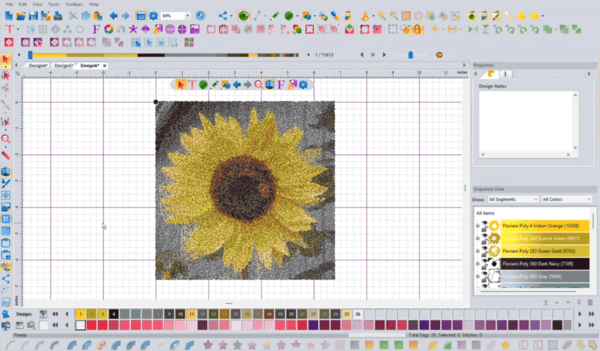
Finally, always preview your design in the software to check for potential issues before stitching.
Getting these details right guarantees your 3D puff embroidery not only looks great but also withstands the test of time, maintaining its shape and vibrancy.
Choosing Appropriate Thread Types
Choosing the right thread type is essential for achieving the desired texture and durability in your 3D puff embroidery projects. Your choice can make or break the final look.
Here are four key thread types to evaluate:
-
Polyester: This is durable, colorfast, and resistant to fading, making it perfect for vibrant designs.
-
Rayon: Known for its sheen, rayon adds a luxurious finish but may not be as durable as polyester.
-
Cotton: Offers a classic look but can be less resilient; it’s great for vintage styles.
-
Metallic: Adds sparkle and drama, but be cautious with tension as it can be tricky to work with.
Choosing wisely guarantees your designs stand out and endure the test of time!
Recommended Stitch Techniques
To achieve the best results in 3D puff embroidery, you’ll want to use specific stitch techniques that enhance the design’s depth and texture. Here are some recommended techniques to evaluate:
| Stitch Technique | Description |
|---|---|
| Satin Stitch | Provides a smooth, shiny finish, ideal for outlines. |
| Zigzag Stitch | Adds a textured look, perfect for filling spaces. |
| Running Stitch | Offers a delicate touch, great for detailing. |
| Fill Stitch | Creates a dense, solid area, enhancing puff effects. |
| Appliqué Stitch | Combines layers, allowing for unique designs. |
Testing Your Design
Before you finalize your design, testing it on a sample fabric can reveal how it translates into 3D puff embroidery. This step is essential to guarantee your vision comes to life as you intended.
You’ll want to pay close attention to how the materials interact and how your design holds up after stitching. Here are a few key points to take into account during your testing phase:
-
Color Vibrancy: Does the thread color pop against the fabric?
-
Dimension: Is the puffiness consistent across the design?
-
Stitch Integrity: Are there any loose stitches or gaps?
-
Overall Appeal: Does it evoke the emotions you want in your audience?
Testing can save you from costly revisions later on.
Common Mistakes to Avoid
Many designers overlook the importance of proper digitization, which can lead to issues like misaligned stitches and uneven puffiness in the final product.
One common mistake is using too many small details, making it difficult for the puff foam to fill in the design adequately. Remember to keep your design simple and bold.
Also, don’t forget about the underlay; insufficient underlay can cause the puff to collapse, affecting the overall appearance.
Another error is neglecting the type of fabric; certain materials work better with 3D puff than others.
Conclusion
In conclusion, mastering 3D puff embroidery requires attention to detail, the right materials, and thoughtful design choices.
For instance, a local sports team once transformed their logo into a stunning 3D puff patch, boosting team spirit and merchandise sales.
By avoiding common mistakes and testing your designs thoroughly, you can create eye-catching pieces that stand out.
So, explore the world of 3D puff embroidery and elevate your creations to new heights!
Frequently Asked Questions
How Does 3D Puff Embroidery Differ From Traditional Embroidery?
3D puff embroidery stands out because it uses foam to create a raised effect, adding depth and texture. In contrast, traditional embroidery lays flat, resulting in a smoother appearance without the same dimensional impact.
Can I Use 3D Puff Embroidery on Any Fabric Type?
You might be surprised, but not all fabrics work for 3D puff embroidery. While cotton and polyester are great choices, delicate materials like silk could struggle. Always test before committing to guarantee the best results!
What Machine Settings Are Best for 3D Puff Embroidery?
For 3D puff embroidery, set your machine to a lower speed, use a thicker needle, and adjust the tension to prevent puckering. Experiment with stitch length and density to achieve the best results on your fabric.
How Do I Care for Garments With 3D Puff Embroidery?
Did you know that 70% of garment damage occurs during washing? To care for your 3D puff embroidered pieces, always hand wash in cold water, avoid bleach, and air dry to maintain their shape and vibrancy.
What Are the Costs Involved in 3D Puff Embroidery Production?
When considering costs for 3D puff embroidery production, you’ll need to factor in materials, labor, machine time, and setup fees. Each element impacts your overall budget, so plan accordingly to avoid surprises later