
When you think about fashion, it’s easy to overlook the intricate dance between embroidery and stitching. You might appreciate the beauty of embroidered designs, but have you considered how stitching serves as the backbone of those creations? As trends shift, the techniques behind both are evolving, revealing a fascinating interplay between artistic expression and functional design. Exploring this balance can open up new perspectives on how each technique influences contemporary styles. What might you discover about the future of these essential practices in fashion?
Understanding Embroidery
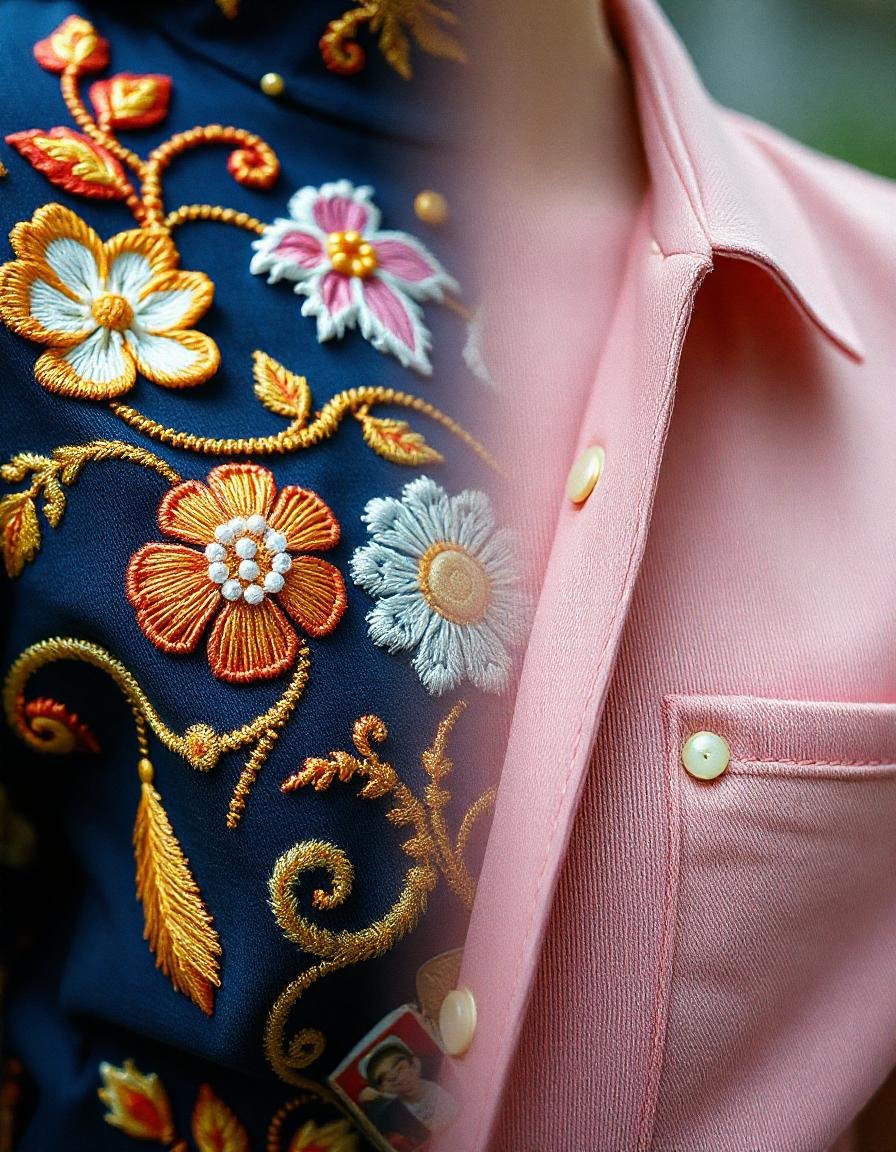
Embroidery is an art form that transforms fabric into vibrant, textured masterpieces through intricate needlework.
You’ll find that it combines creativity with craftsmanship, allowing you to express your unique style. Whether you’re personalizing clothing or creating decorative pieces, embroidery gives your projects a distinctive flair.
You can choose from a variety of techniques, such as cross-stitch, satin stitch, or chain stitch, each offering different visual effects. As you explore this craft, you’ll discover the joy of layering colors and textures, making your designs come alive.
Understanding Stitching
When you think about stitching, it’s crucial to know the different techniques available and how each one can enhance your designs.
You’ll also want to explore the tools that make your stitching effective and precise.
Understanding these elements will help you apply stitching in innovative ways within your fashion creations.
Types of Stitching Techniques
Understanding the various stitching techniques can elevate your fashion creations and enhance their overall appeal. You’ve got several options to choose from, each serving a unique purpose.
Straight stitching is your go-to for basic seams, while zigzag stitching adds flexibility and prevents fraying. If you’re looking for a decorative touch, consider using a satin stitch, which creates a smooth, shiny finish. For durability, the triple stitch offers extra strength, perfect for high-stress areas.
Don’t overlook the importance of the blind hem stitch, ideal for hemming without visible lines. Each technique can transform your garment, giving it a professional finish.
Experimenting with these stitches won’t only improve your skills but also expand your creative possibilities in fashion design.
Tools for Effective Stitching
Having the right tools can make all the difference in achieving clean, professional stitching results.
Start with a good quality sewing machine that suits your needs, whether it’s for basic sewing or advanced techniques.
Invest in sharp, appropriate needles tailored for your fabric type; they’ll prevent snags and guarantee smooth stitching.
Don’t forget quality thread; choose one that matches your fabric and is strong enough for your project.
A reliable pair of fabric scissors is essential for cutting threads cleanly and accurately.
Additionally, consider using a seam ripper for correcting mistakes.
Finally, keep measuring tools like a ruler and measuring tape handy to guarantee precision in your work.
With these tools, you’ll elevate your stitching game considerably.
Applications in Fashion Design
Stitching plays an essential role in fashion design, shaping everything from the fit of a garment to its overall aesthetic appeal.
When you choose the right stitching techniques, you enhance the structural integrity and comfort of your creations.
For instance, using flatlock stitching can create a seamless look, perfect for activewear.
On the other hand, decorative stitches can add unique visual elements, elevating a simple piece into a statement garment.
You can also experiment with different thread types and colors to create contrast or harmony.
By mastering stitching applications, you’ll not only improve functionality but also express your creative vision.
Ultimately, understanding the nuances of stitching empowers you to bring your fashion designs to life with precision and style.
Key Differences Between Techniques
While both embroidery and stitching enhance garments, they differ markedly in their techniques and the effects they create. Understanding these differences can help you choose the right method for your fashion projects.
Here are three key distinctions:
-
Technique: Embroidery involves decorative needlework using various threads to create intricate designs, while stitching typically refers to the basic sewing of fabric pieces together.
-
Texture: Embroidery adds dimension and texture, making the fabric feel more luxurious, whereas stitching tends to be flat and functional.
-
Purpose: Embroidery is primarily for aesthetic appeal, elevating the garment’s visual interest, while stitching is generally utilitarian, ensuring pieces are securely attached.
Historical Significance of Embroidery
Embroidery has played an essential role in the evolution of fashion, reflecting cultural values and artistic expression throughout history.
You’ll find that different civilizations used embroidery to signify social status, heritage, and identity. For instance, in ancient China, intricate silk embroidery showcased the skills of artisans and conveyed wealth. In Europe during the Middle Ages, nobles adorned their garments with elaborate embroidered motifs to demonstrate their power and prestige.
As you explore various cultures, you’ll notice how embroidery techniques evolved, integrating local materials and styles.
Today, this rich history continues to inspire modern designers, who often incorporate traditional embroidery into contemporary fashion, bridging the gap between past and present while celebrating the artistry that has defined human creativity for centuries.
Historical Significance of Stitching
When you explore the historical significance of stitching, you’ll find it rooted in ancient techniques that shaped fashion.
These methods not only served practical purposes but also carried cultural meanings across different societies.
Understanding this background helps you appreciate how stitching has influenced modern fashion trends.
Ancient Techniques and Origins
Stitching has played an essential role in fashion for thousands of years, serving not only as a practical method for joining fabrics but also as a form of artistic expression across various cultures.
You might be surprised to learn how ancient techniques have laid the groundwork for modern practices. Here are three fascinating aspects of stitching’s historical significance:
-
Utility and Functionality: Early humans used stitching to create durable clothing, adapting to their environments.
-
Symbolism: Different stitches often held cultural meanings, reflecting status or identity.
-
Innovation: Techniques evolved over time, leading to intricate styles that showcase craftsmanship and artistry.
Understanding these origins can deepen your appreciation for the stitching techniques you see in today’s fashion.
Cultural Significance in Fashion
The historical significance of stitching extends beyond mere functionality, deeply influencing cultural identity and artistic expression in fashion across various societies.
You’ll find that stitching techniques often reflect a community’s heritage, traditions, and beliefs. For instance, in many Indigenous cultures, specific stitches carry unique meanings, telling stories of ancestry and connection to the land.
As you explore different regions, you’ll notice how stitching styles vary, shaped by local materials and cultural practices. This diversity not only enriches fashion but also fosters a sense of belonging.
Current Trends in Embroidery
Embroidery’s making a vibrant comeback in fashion, with designers blending traditional techniques and modern aesthetics to create eye-catching pieces.
You’ll find that contemporary embroidery embraces bold colors, intricate patterns, and unique textures, making it a favorite among fashion enthusiasts.
Here are some current trends you should watch out for:
-
Sustainable Practices: Many brands are using eco-friendly materials and ethical production methods.
-
Mixed Media: Designers are combining embroidery with other textile techniques, like print and appliqué, for a layered look.
-
Personalization: Custom embroidery is on the rise, allowing you to express your individuality through personalized designs.
These trends highlight how embroidery continues to evolve, making it an essential element in today’s fashion landscape.
Current Trends in Stitching
When you think about current trends in stitching, sustainable practices are at the forefront of many designers’ minds.
You’ll also notice innovative techniques that push the boundaries of traditional stitching, creating unique textures and patterns.
Let’s explore how these trends are shaping the fashion landscape today.
Sustainable Stitching Practices
Sustainable stitching practices increasingly prioritize eco-friendly materials and techniques that reduce waste and environmental impact. You can incorporate these practices into your fashion projects for a greener approach.
Here are three key areas to focus on:
-
Organic Fabrics: Choose materials like organic cotton or hemp, which minimize pesticide use and support sustainable farming.
-
Zero-Waste Techniques: Implement cutting methods that optimize fabric usage, leaving little to no waste behind.
-
Eco-Friendly Threads: Utilize threads made from recycled materials or natural fibers to further lessen your environmental footprint.
Innovative Stitching Techniques
Innovative stitching techniques are transforming fashion by blending traditional methods with modern technology to create unique designs and enhance functionality.
You’ll notice how techniques like laser-cutting and 3D printing are revolutionizing garment construction, allowing for intricate patterns and structures that were once impossible.
Smart fabrics are now incorporating conductive threads, enabling you to wear technology directly on your body, like heated jackets or fitness trackers woven into clothing.
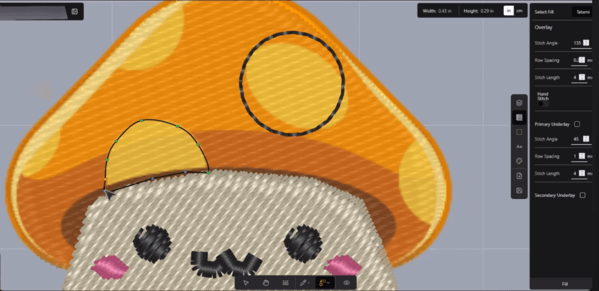
Techniques such as digital embroidery and automated sewing are streamlining production, making it faster and more precise.
You might also see a resurgence in hand-stitching, where artisans add personal touches to high-fashion items, merging craftsmanship with innovation.
Embracing these trends, you can elevate your wardrobe with cutting-edge, stylish pieces that stand out.
Techniques Used in Embroidery
Embroidery techniques vary widely, each offering unique textures and visual effects that can elevate your fashion creations. By mastering these methods, you can infuse your garments with a personal touch that stands out.
Here are three popular embroidery techniques you should consider:
-
Satin Stitch: This method creates a smooth, lustrous finish perfect for filling shapes and letters.
-
French Knots: Ideal for adding dimension, these raised knots bring a tactile quality to your designs.
-
Chain Stitch: Offering a lovely, decorative line, this technique is great for outlining shapes and adding intricate details.
Explore these techniques to enhance your fashion pieces, making them not just clothing, but works of art that reflect your style.
Techniques Used in Stitching
When it comes to stitching, mastering a few key techniques can greatly enhance the quality and durability of your garments.
Start with straight stitching, which forms the foundation for most projects. It’s essential for seams and hems, so practice keeping a steady hand for even lines.
Next, learn to do a zigzag stitch; it allows for stretch in knit fabrics and prevents fraying.
Don’t overlook the importance of backstitching at the start and end of seams to secure your work.
Also, familiarize yourself with different needle types and thread weights, as they can drastically change the outcome.
The Future of Fashion Embellishment
The future of fashion embellishment promises exciting possibilities, as designers increasingly embrace technology and sustainable materials to create unique, eye-catching details.
You’ll see a shift toward more innovative techniques that not only enhance aesthetics but also promote eco-friendliness. Here’s what to watch for:
-
3D Printing: Expect intricate patterns and textures that traditional methods can’t achieve, allowing for rapid prototyping and customization.
-
Smart Fabrics: Wearable technology integrated into textiles will add dynamic elements, such as color-changing capabilities or LED displays.
-
Recycled Materials: Designers will prioritize upcycled fabrics and eco-conscious embellishments, merging style with sustainability.
Conclusion
In the vibrant world of fashion, embroidery and stitching both shine in their unique ways.
As you explore the enchanting contrasts between these techniques, you’ll discover how they contribute to contemporary creativity.
Embrace the bold beauty of embroidery and the sturdy strength of stitching, and watch as they weave together your wardrobe.
With trends transforming and techniques evolving, the future of fashion embellishment is bright, beckoning you to boldly express your individual style!