
You might not realize that the type of needle you use can greatly impact your stitching quality on tricky fabrics. Choosing the right needle isn’t just a matter of preference; it can mean the difference between a flawless seam and a frustrating project. When you consider the various fabrics out there, each requiring specific techniques and tools, it becomes clear that mastering this skill is vital. So, what are the key factors you need to keep in mind to guarantee precision and consistency in your sewing?
Understanding Difficult Fabrics
When you’re working with difficult fabrics, it’s crucial to understand their unique characteristics to achieve flawless stitching. Each fabric type behaves differently under the needle, which means you’ll need to adjust your techniques accordingly.
For instance, fabrics like silk and chiffon are lightweight and slippery, making them prone to shifting. To combat this, you might use a stabilizer or tissue paper underneath to keep everything in place.
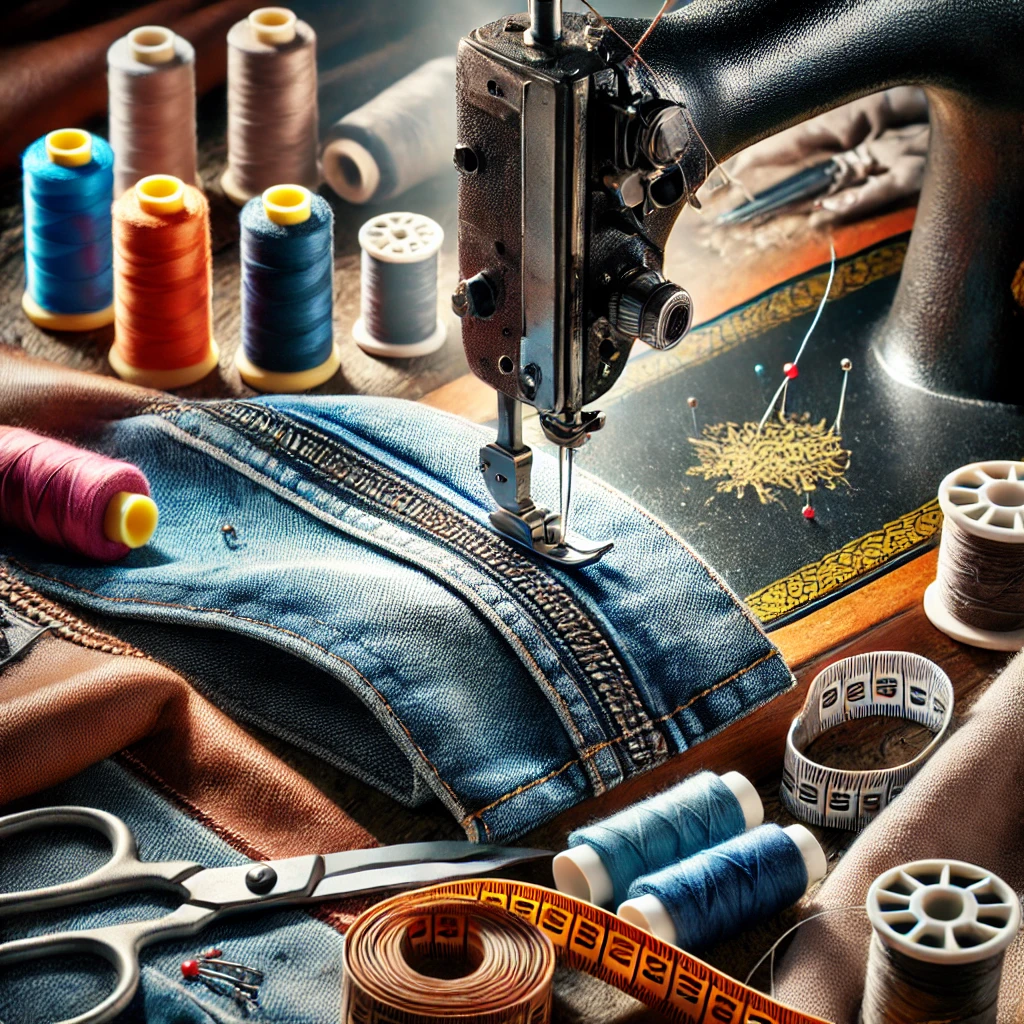
On the other hand, denim and canvas are heavier and can be challenging to sew through. Using the right presser foot and adjusting your machine’s tension can help prevent skipped stitches or thread breakage.
Additionally, stretchy fabrics like jersey or spandex require special attention; a zigzag or stretch stitch will guarantee the seams remain durable without losing elasticity.
Don’t forget about the fabric’s finish, either. Coated or laminated fabrics can be sticky, so consider using a Teflon foot to glide smoothly over the surface.
Understanding these characteristics will empower you to make informed decisions that lead to successful stitching, allowing you to tackle any fabric challenge with confidence.
Selecting the Right Needle
Choosing the right needle is essential for achieving perfect stitching and ensuring your machine works efficiently with various fabric types. Different fabrics require different needle types, and using the wrong needle can lead to skipped stitches, puckering, or even damage to your material.
Here’s a quick guide to help you choose the right needle for common fabric types:
| Fabric Type | Recommended Needle | Needle Size |
|---|---|---|
| Cotton | Universal Needle | 80/12 or 90/14 |
| Knit or Stretch | Ballpoint Needle | 75/11 or 90/14 |
| Denim | Jeans Needle | 90/14 or 100/16 |
For lightweight fabrics like silk, opt for a fine needle (60/8), while for heavy fabrics like canvas, a thicker needle (100/16) is ideal. Always check your needle’s condition and replace it regularly to maintain stitching quality. A well-chosen needle makes a world of difference, so take the time to assess your fabric before you start sewing!
Choosing the Appropriate Thread
The right thread can make all the difference in achieving perfect stitching, as it directly affects the strength and appearance of your seams. Choosing the appropriate thread for your fabric is essential. Here’s what you need to take into account:
-
Material: Different fabrics require different thread types. For instance, cotton thread works well for woven fabrics, while polyester is great for stretchy materials. If you’re working with delicate fabrics like silk, opt for a fine silk thread.
-
Weight: The thread weight should match your fabric’s weight. A heavier fabric needs a thicker thread to guarantee strong seams, whereas lightweight fabrics require finer threads to prevent puckering and distortion.
-
Finish: The finish of the thread also plays a role. A matte finish blends well with most fabrics, while a shiny finish can enhance decorative stitches. Take into account how the thread’s finish will impact the overall look of your project.
Preparing Your Fabric
Preparing your fabric properly sets the stage for achieving flawless stitching and guarantees that your project turns out just as you envision.
Start by washing and drying your fabric according to the manufacturer’s instructions. This pre-shrinking step helps prevent any surprises after your project is complete.
Next, press your fabric to remove any wrinkles, as these can cause uneven stitching and puckering. Use the right heat setting for your fabric type to avoid damage. If you’re working with delicate fabrics, consider using a pressing cloth to protect them.
After pressing, lay your fabric flat and check for any imperfections, like snags or stains. If you find any, address them before you start stitching.
It’s also a good idea to cut your fabric into the necessary pieces while ensuring you follow the grainline, which helps maintain the fabric’s structure.
Adjusting Machine Settings
To achieve perfect stitching, you need to fine-tune your machine settings.
Start by adjusting the tension settings to guarantee your thread flows smoothly, and then select the appropriate stitch length for your project.
These adjustments can make a significant difference in the quality of your work.
Tension Settings Adjustment
Adjusting the tension settings on your sewing machine can considerably impact the quality of your stitching. When working with difficult fabrics, like silk or dense canvas, getting the tension just right is vital.
Here are three essential steps to help you adjust the tension effectively:
-
Test Stitching: Always begin by making test stitches on a scrap piece of the same fabric. This lets you see how the adjustments affect the stitch quality before you start on your actual project.
-
Adjust Top Tension: If the stitches appear loose or the fabric is puckering, increase the top tension. Conversely, if the stitches look tight or the thread breaks, decrease the tension until you find the sweet spot.
-
Check Bobbin Tension: Don’t forget about the bobbin tension! If you notice looping on the bottom side of your fabric, it might be too loose. Use a screwdriver to make small adjustments, testing as you go.
Stitch Length Selection
Choosing the right stitch length is essential for achieving the desired look and functionality in your sewing projects. The stitch length you select affects not only the appearance but also the durability of your seams, especially on difficult fabrics.
For lightweight fabrics, such as silk or chiffon, a shorter stitch length, around 1.5 to 2.0 mm, helps prevent puckering and guarantees a delicate finish. Conversely, for heavier materials like denim or canvas, a longer stitch length, typically 2.5 to 3.5 mm, provides the necessary strength and reduces the risk of breaking threads.
When adjusting your machine settings, always test your chosen stitch length on a scrap piece of the same fabric. This way, you can observe how the stitch behaves and make any necessary adjustments before committing to your final project. Remember that the type of stitch you use also influences the effective length; for instance, zigzag stitches may require a different setting than straight stitches.
Keep in mind that consistency is key. Maintaining the same stitch length throughout your project will create a polished appearance, so double-check your settings before diving in.
With practice, you’ll master the art of stitch length selection, enhancing your sewing skills considerably.
Mastering Stitch Techniques
To achieve perfect stitching, you need to master a few key techniques.
First, choosing the right needle and adjusting the tension settings can make all the difference in your results.
Don’t forget to select the appropriate thread for your project, as it directly impacts the overall quality of your stitching.
Choosing the Right Needle
Selecting the right needle is vital for achieving flawless stitching, as it directly impacts your fabric’s appearance and the overall quality of your work.
The needle you choose determines how well you can handle challenging materials, so it’s important to take into account a few key factors.
-
Needle Type: Different fabrics require different needle types. For instance, a universal needle works well for woven and knit fabrics, while a ballpoint needle is perfect for knits to avoid snagging.
-
Needle Size: The size of the needle affects the stitch’s appearance and strength. Larger needles are better for heavier fabrics, while smaller needles work best for delicate materials.
-
Specialty Needles: For unique fabrics, like leather or denim, think about using specialty needles designed to handle these materials. They’re built with specific features, such as a wedge shape or a thicker shaft, to guarantee clean stitching.
Adjusting Tension Settings
Adjusting your machine’s tension settings is essential for achieving balanced stitches and preventing puckering or loose threads. Begin by consulting your sewing machine’s manual to understand the specific tension settings for your model. Typically, you’ll find a tension dial that allows you to make adjustments easily.
When working with difficult fabrics, like knits or silks, you may need to tweak the tension. Start with a medium setting, usually around 4 or 5, and test it on a scrap piece of your fabric. If the stitches appear too tight, loosen the tension slightly. Conversely, if the stitches look loose and slack, increase the tension.
Pay attention to both the upper thread tension and the bobbin tension. A balanced stitch should have the upper thread lying flat on the fabric’s surface while the bobbin thread is hidden underneath. If you notice uneven stitching, adjust your settings incrementally and re-test until you achieve the desired result.
Selecting Appropriate Thread
Choosing the right thread is crucial for achieving strong, durable stitches that enhance the overall look of your project. When working with difficult fabrics, selecting the appropriate thread can make all the difference. Here’s what to take into account:
-
Thread Type: Choose a thread that complements your fabric. For lightweight fabrics, opt for fine threads like polyester or silk. For heavier materials, think about cotton or heavier polyester threads.
-
Thread Weight: Lighter threads are ideal for delicate fabrics to prevent puckering, while heavier threads provide strength for thicker materials. Always match the thread weight with the fabric’s weight for best results.
-
Color Matching: Confirm your thread color blends seamlessly with your fabric. If you’re working with patterned fabrics, think about using a thread color that matches the dominant shade to maintain a cohesive look.
Finishing Touches for Perfection
To achieve that flawless finish, it’s essential to pay attention to the final details that can elevate your stitching project.
Start by trimming any excess threads. Use sharp scissors to snip away loose threads close to the fabric, ensuring a clean look.
Next, press your seams. A good iron can make a significant difference; it flattens seams and helps the fabric maintain its shape.
Don’t forget to check your stitching tension. If you notice any puckering or loose stitches, adjust the tension on your sewing machine accordingly. This small tweak can dramatically improve the overall appearance of your work.
After that, consider adding a finishing stitch or a topstitch along the edges for an extra touch of professionalism. This not only secures your seams but also enhances the aesthetic appeal.
Conclusion
In the world of sewing, perfect stitching isn’t just about technique; it’s a dance between fabric, needle, and thread.
When you take the time to understand each element, you’ll find that the challenges you face often lead to unexpected beauty in your projects.
Just like life, it’s the little adjustments and careful choices that transform difficulties into something remarkable.
Embrace the process, and you’ll discover that even the toughest fabrics can yield stunning results.
How to Achieve Perfect Stitching on Difficult Fabrics
Frequently Asked Questions
What Are Common Mistakes When Stitching Difficult Fabrics?
When stitching difficult fabrics, you often skip pre-washing, use the wrong needle, or ignore fabric grain. You might also forget to adjust tension, which can lead to puckering or uneven stitches. Pay attention to these details!
How Can I Prevent Fabric Puckering While Sewing?
Think of sewing as a dance; you need rhythm. To prevent puckering, use a longer stitch length, maintain consistent tension, and choose the right needle. Let your fabric glide smoothly, like a partner in sync.
Is It Necessary to Pre-Wash Difficult Fabrics Before Sewing?
Yes, it’s necessary to pre-wash difficult fabrics before sewing. This process removes excess dyes and finishes, prevents future shrinkage, and helps you avoid unexpected surprises, ensuring your project turns out just the way you want it.
Can I Use My Regular Sewing Machine for Thick Fabrics?
Sure, you can use your regular sewing machine for thick fabrics, like denim. Just make certain you’ve got the right needle and thread; it’ll help prevent jams and guarantee smooth sewing for your project.
How Do I Clean My Sewing Machine After Working With Difficult Fabrics?
To clean your sewing machine after working with difficult fabrics, you should unplug it, remove the needle and foot, clean the bobbin area, and use a brush to clear out lint and debris. Regular maintenance keeps it running smoothly.