When you’re looking to incorporate embroidery into your clothing designs, it’s crucial to start with a solid understanding of the various techniques available. You’ll want to contemplate the type of fabric that best showcases your chosen style, as well as how thread colors can either pop or blend seamlessly. Think about the placement of your embroidery to guarantee it catches the eye without overwhelming the garment. But there’s more to it than just technique and aesthetics; the choices you make can greatly impact the overall vibe of your designs. What will your next steps be?
Understanding Embroidery Techniques
When you explore embroidery techniques, you’ll discover a range of methods that can elevate your clothing designs. Each technique offers a unique texture and visual appeal, allowing you to express your creativity.
One popular method is the satin stitch, known for its smooth, shiny surface. It’s perfect for filling shapes and creating bold designs. If you’re looking for something more intricate, consider using the French knot, which adds dimension and a playful touch to your work.
You might also want to try the backstitch, a versatile option that creates clean, defined lines. It’s great for outlining and adding detail to your designs. If you’re feeling adventurous, explore the beauty of appliqué, where you sew one fabric onto another, incorporating different patterns and colors seamlessly.
Don’t overlook the importance of embellishments like beads and sequins, which can add sparkle and depth to your embroidery. As you practice these techniques, you’ll find that each one offers limitless possibilities for personalizing your clothing.
Embrace experimentation, and soon you’ll master the art of embroidery, making your designs truly one-of-a-kind!
Choosing the Right Fabrics
When you’re selecting fabrics for embroidery, consider the type, weight, and drape of each material.
Different fabrics can drastically affect how your designs look and feel, so you’ll want to choose wisely.
Don’t forget about color compatibility; it plays a vital role in making your embroidery pop.
Fabric Types Overview
Choosing the right fabric for your embroidery project can greatly impact the final design and overall look of the clothing. Different fabrics have unique characteristics that affect how your embroidery will appear.
Here’s a quick overview of some popular fabric types you might consider:
-
Cotton: This fabric is a favorite for embroidery because it’s versatile and easy to work with. It holds stitches well and comes in various weights and finishes.
-
Linen: Known for its natural texture, linen adds a rustic charm to your designs. It’s lightweight and breathable, making it great for summer garments, but it can be a bit challenging to embroider due to its loose weave.
-
Polyester: This synthetic fabric is durable and resistant to wrinkles. It’s an excellent choice for activewear and items that require frequent washing, as it holds up well under various conditions.
When selecting your fabric, consider the overall style and purpose of your clothing.
Each type offers distinct advantages, so think about how your chosen fabric will complement your embroidery design.
Weight and Drape
Understanding the weight and drape of fabrics is essential for achieving the desired look and feel in your embroidery designs.
The weight of a fabric influences how well it holds embroidery. Lightweight fabrics, like chiffon or organza, may not support heavy embroidery, causing distortion. For intricate designs, consider medium to heavy fabrics such as denim or canvas; they provide the stability needed for detailed work.
Drape refers to how a fabric falls and flows. Fabrics with a soft drape, like jersey or silk, create a more relaxed and elegant look, which can enhance the overall aesthetic of your embroidered piece. If you’re aiming for structure, opt for fabrics with a stiffer drape, like twill or cotton canvas.
Always test your embroidery on a sample of the fabric before committing. This way, you’ll see how the weight and drape interact with your design, ensuring it looks just as you envisioned. Pay attention to the tension and backing you use, as they can also impact the final result.
Choosing the right fabric weight and drape not only elevates your embroidery but also enhances the garment’s overall appeal.
Color Compatibility Considerations
Selecting fabrics that complement your embroidery colors is essential for creating a cohesive and visually appealing design. When you’re choosing the right fabric, consider the color wheel; contrasting colors can make your embroidery pop, while analogous colors create a more harmonious look.
Here are some tips to help you choose the right fabrics:
-
Fabric Color: Opt for fabrics in neutral tones like white, beige, or gray if you want your embroidery to stand out. These shades serve as a blank canvas, allowing your colors to shine.
-
Texture and Finish: Keep in mind the texture of your fabric. Smooth fabrics, like satin or silk, might showcase embroidery differently than textured options like denim or linen. Test your embroidery on fabric samples to see how the colors interact.
-
Seasonal Colors: Use seasonal palettes to guide your choices. Bright colors work well in spring and summer, while deeper, richer tones are perfect for fall and winter designs.
Planning Your Design Layout
When planning your design layout, you need to think carefully about where you want the embroidery to sit on the garment.
Choosing the right thread colors is just as important, as they can make or break the overall look.
Choosing Design Placement
Deciding where to place your embroidery can greatly impact the overall aesthetic of your clothing design. The right placement not only highlights your design but also shapes how your audience perceives it. Think about the garment’s structure and function.
Here are some key considerations to help you make the best choice:
-
Balance: Confirm your embroidery complements the overall design. If you place it on one side, balance it with other design elements to avoid a lopsided look.
-
Visibility: Consider how and when the clothing will be worn. If you want your embroidery to stand out, place it in a prominent area like the chest or back.
-
Flow: The embroidery should enhance the garment’s lines. Look for natural seams or contours to guide your placement, confirming a harmonious flow across the fabric.
Selecting Thread Colors
Choosing the right thread colors can transform your embroidery from a simple addition into a striking focal point that enhances your clothing design. Start by considering the color palette of your garment. You want your thread colors to either complement or contrast with the fabric. If your fabric is a solid color, bold thread hues can create a stunning visual impact.
Next, think about the mood you want to convey. Warm colors like reds and oranges can evoke energy and excitement, while cool colors like blues and greens can create a calming effect. Don’t hesitate to experiment with shades and tones – a slight variation can add depth and interest to your design.
Also, consider the practicality of your thread choices. Some colors may fade over time, so opt for high-quality threads that maintain their vibrancy. Always test your colors on a scrap piece of fabric similar to your garment to see how they look once stitched.
Lastly, trust your instincts. If a color combination speaks to you, it’s likely to resonate with others. Selecting the right thread colors is about balancing creativity with intention.
Tools and Materials Needed
To create stunning embroidered designs, you’ll need a few essential tools and materials that make the process seamless and enjoyable.
First, gather your embroidery threads in various colors; these are the backbone of your designs. Look for high-quality threads that won’t fray or fade easily.
Next, make certain you have a sturdy embroidery hoop. This tool keeps your fabric taut, allowing for clean, precise stitches.
Finally, don’t forget a good pair of embroidery scissors. Sharp scissors will help you achieve neat finishes and easily cut any excess thread.
Here’s a quick list of essential tools and materials:
-
Embroidery Threads: Choose high-quality, vibrant colors that complement your fabric.
-
Embroidery Hoop: A sturdy hoop guarantees your fabric stays tight and prevents puckering.
-
Embroidery Scissors: Sharp scissors are essential for clean, precise cuts.
With these tools and materials at your disposal, you’re ready to plunge into the world of embroidery.
Experiment with different patterns and techniques, and watch as your designs come to life!
Happy stitching!
Adding Embroidery to Different Garments
Adding embroidery to various garments can transform simple pieces into unique, eye-catching creations that reflect your personal style.
When considering where to add embroidery, think about the garment type and its intended use. For casual t-shirts, you might opt for a small emblem on the chest or a playful design on the back. This subtle touch adds character without overwhelming the piece.
For denim jackets or jeans, larger designs like florals or geometric patterns can create a bold statement. Position your embroidery on pockets or along the seams for a stylish twist.
When working with dresses, consider adding intricate designs around the neckline or hemline to elevate the overall look.
Sweatshirts and hoodies are perfect for cozy, larger-scale embroidery. You can cover the front with a fun graphic or add a personalized touch with your initials.
Don’t forget about accessories! Adding embroidery to bags, hats, or even shoes can enhance your ensemble and showcase your creativity.
Mixing Embroidery With Other Textiles
Mixing embroidery with other textiles can elevate your designs, adding depth and texture that enhances the overall aesthetic. By combining different fabrics, you create a unique look that stands out. Think about pairing soft cottons with luxurious silks or rugged denim with delicate lace. Each combination offers a different vibe, so don’t hesitate to experiment!
Here are a few tips to help you mix embroidery with textiles effectively:
-
Contrast Textures: Use rough fabrics like canvas with smooth embroidery threads to create visual and tactile contrast. This draws attention to the embroidery itself.
-
Color Coordination: Choose textiles that complement the colors of your embroidery. Harmonious color schemes can create a cohesive look, while contrasting colors can make the embroidery pop.
-
Layering Techniques: Try layering embroidered patches over sheer fabrics. This adds dimension and allows the embroidery to play a starring role while still maintaining the integrity of the underlying textile.
Customization for Personal Touch
Customization brings a personal touch to your clothing designs, allowing you to express individuality through unique embroidery choices. You can start by selecting designs that resonate with your personality, whether it’s a favorite quote, a meaningful symbol, or a vibrant floral pattern. This choice not only enhances your clothing but also makes a statement about who you are.
Consider the placement of your embroidery as well. A small, subtle design on the collar or cuffs can add elegance, while a bold piece across the back can create a striking focal point. You can also mix different embroidery techniques—such as appliqué or free-motion stitching—to add depth and texture to your designs.
Don’t shy away from colors either. Choose threads that complement or contrast with your fabric to create a stunning visual effect. Personalizing the thread color can make even a simple design pop and reflect your style.
Care and Maintenance of Embroidered Items
Once you’ve personalized your clothing with beautiful embroidery, it’s important to know how to care for those designs to keep them looking vibrant and intact. Proper maintenance guarantees your embroidered pieces remain stunning and wearable for years to come.
First, always follow the care instructions on the label. Typically, hand washing is the safest method, as it reduces the risk of damage from agitation. If you must machine wash, use a gentle cycle and place your items in a mesh laundry bag.
Second, avoid using bleach or harsh detergents, as these can fade the embroidery. Instead, opt for mild soaps that preserve colors.
Lastly, when it comes to drying, air drying is your best bet. Lay your embroidered clothing flat or hang it to dry, as high heat from a dryer can cause shrinkage or fraying.
Here are some quick tips for keeping your embroidery in top shape:
-
Hand wash or use a gentle cycle in the machine.
-
Avoid bleach and harsh detergents.
-
Air dry instead of using a dryerc
Conclusion
Embracing embroidery in your clothing designs transforms ordinary fabrics into stunning canvases.
Picture vibrant threads dancing across soft cotton or bold denim, each stitch telling a story.
As you blend techniques and customize your pieces, you’ll create wearable art that reflects your unique style.
Remember, each embroidered detail adds a personal touch, turning heads and sparking conversations.
So, grab your needle and thread, and let your imagination weave a tapestry of creativity into your wardrobe!
Frequently Asked Questions
Can I Use Embroidery on Stretchy Fabrics Like Spandex?
Yes, you can use embroidery on stretchy fabrics like spandex. Just make certain to use the right stabilizer and needle to prevent puckering. Test your design on a scrap piece first to ascertain the best results.
How Long Does It Take to Complete an Embroidery Project?
It typically takes anywhere from a few hours to several days to complete an embroidery project, depending on the design’s complexity, size, and your experience level. Planning ahead can help manage your time effectively.
What Are the Most Common Mistakes in Embroidery Design?
You might overlook proper scale, leading to awkward designs. Ignoring fabric type can cause issues too. Not planning your color palette can result in clashing hues. Always test your design before committing to the final piece.
Is It Possible to Remove Embroidery From Clothing?
While it’s not a walk in the park, you can gently coax embroidery off clothing. Carefully cut threads, use a seam ripper, and take your time to avoid damaging the fabric underneath.
How Can I Troubleshoot Common Embroidery Machine Issues?
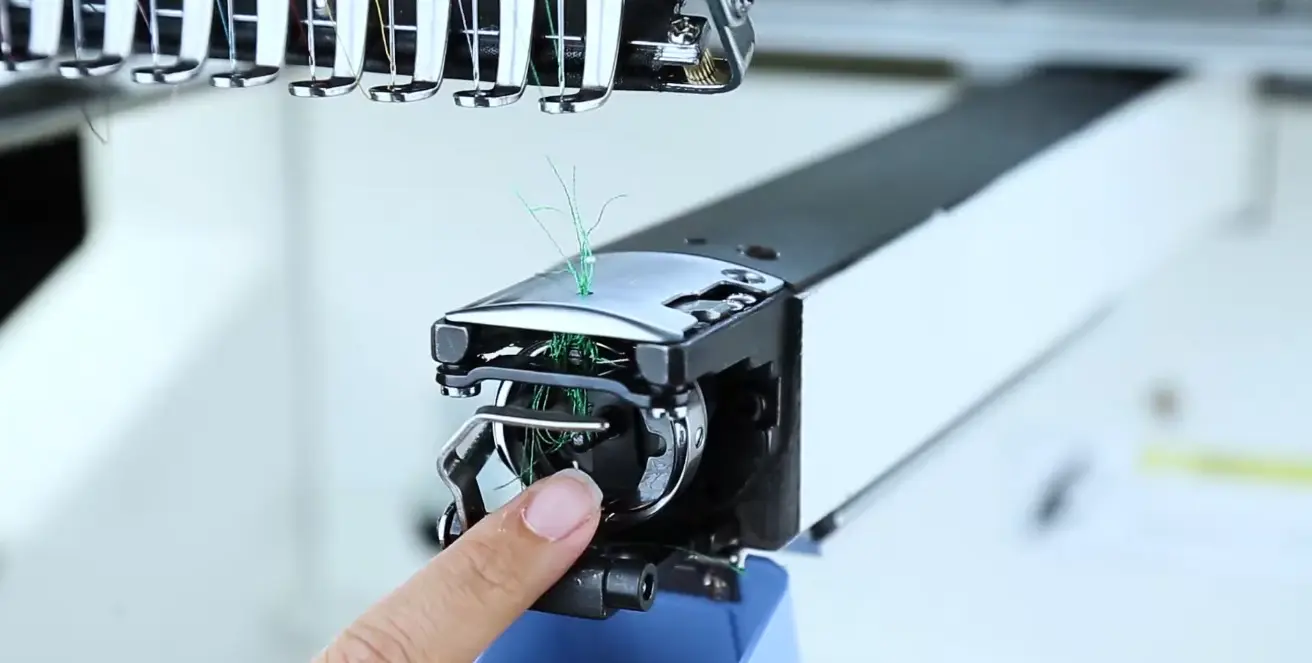
When troubleshooting embroidery machine issues, check for thread jams, guarantee proper needle size, clean the machine regularly, and adjust tension settings. Don’t forget to consult the manual for specific error codes and solutions.