
Is it true that the right tools can make or break your crafting experience? When you consider the distinct requirements of embroidery versus general stitching, it becomes clear that each discipline has its own set of essentials that influence both technique and outcome. You might find yourself wondering how specialized needles and threads impact intricate designs compared to the straightforward approach of universal supplies. As you explore this topic, you’ll uncover the nuances that define these crafts and the choices that could elevate your projects.
Overview of Embroidery Tools
When diving into embroidery, having the right tools can make all the difference in your crafting experience.
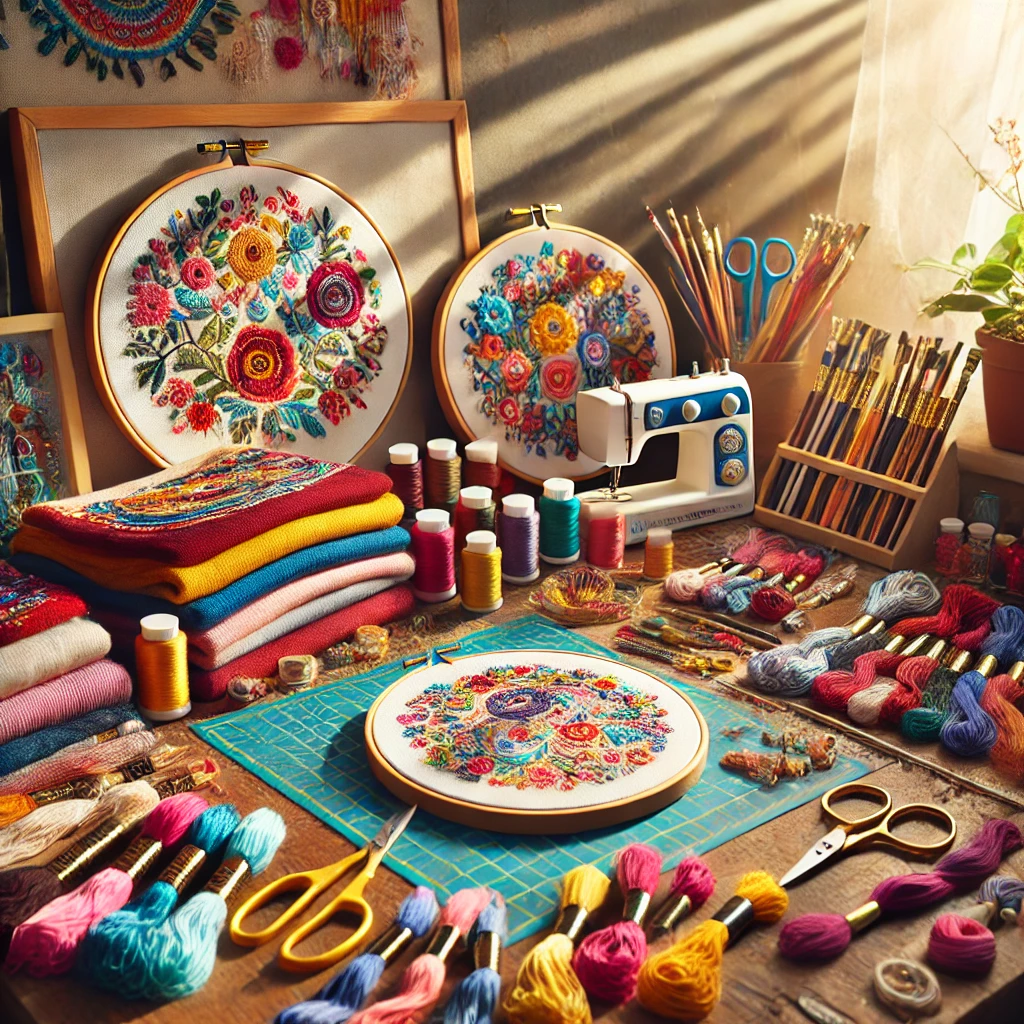
You’ll want to start with a good embroidery hoop, which keeps your fabric taut and makes stitching easier. A sharp pair of embroidery scissors is essential for clean cuts and snipping threads.
Don’t forget about your needles; using the right size and type for your fabric can prevent frustrations. Marking tools, like fabric pens or chalk, help you outline designs accurately.
Additionally, having a variety of threads on hand allows you to experiment with colors and textures. Each of these tools plays a significant role in your embroidery journey, ensuring you achieve the best results while enjoying the process.
Essential Stitching Supplies
When you start stitching, having the right supplies makes all the difference.
You’ll need basic stitching tools, along with suitable thread and fabric choices to bring your projects to life.
Let’s break down what you really need to get started.
Basic Stitching Tools
To get started with stitching, you’ll need a few essential tools that will make your projects easier and more enjoyable. Here’s a quick rundown of must-have items:
| Tool | Purpose |
|---|---|
| Scissors | For precise cutting of fabric and thread |
| Needles | To create stitches in your fabric |
| Measuring tape | For accurate measurements of your project |
| Pins | To hold pieces together while stitching |
| Thimble | To protect your fingers from pricks |
Having these basic tools on hand not only sets you up for success but also inspires creativity. You’ll find that each tool plays a crucial role in bringing your ideas to life, making every stitch a step toward something beautiful.
Thread and Fabric Choices
Choosing the right thread and fabric is essential for achieving the desired look and durability in your stitching projects.
Start by selecting a fabric that suits your project’s purpose; cotton is great for general use, while silk adds a luxurious touch.
When it comes to thread, consider the weight and fiber content. For instance, polyester threads are strong and colorfast, while cotton threads offer a softer finish.
Match your thread to your fabric; use a heavier thread for thicker fabrics and a lighter one for delicate materials.
Always test a small sample to verify compatibility.
Remember, the right choices can elevate your work, making it not just beautiful but also long-lasting.
Happy stitching!
Comparing Needles for Both
When you’re choosing needles for embroidery or stitching, understanding the different types is essential.
Each needle serves a specific purpose, and knowing the appropriate sizes can make a significant difference in your projects.
Let’s explore these key factors to help you pick the right needle for your craft.
Needle Types Overview
Various needle types exist, each designed to enhance either embroidery or general stitching, making it essential to select the right one for your project.
For embroidery, you might prefer a needle with a larger eye, like a tapestry needle, which accommodates thicker threads without damaging the fabric.
On the other hand, for general stitching, a universal needle is versatile and works well with most fabrics. If you’re working with knits, consider using a ballpoint needle, designed to slip between fibers rather than piercing them.
Each needle type has unique features tailored to specific materials and techniques, so understanding these distinctions helps you achieve the best results in your crafting endeavors.
Choose wisely and enjoy the creative process!
Appropriate Needle Sizes
Understanding appropriate needle sizes is essential for achieving the best results in both embroidery and general stitching projects. Selecting the right needle size can greatly impact your work’s quality. For instance, using a larger needle for delicate fabrics can create holes, while a too-small needle might not penetrate thicker materials effectively.
Here’s a quick comparison of common needle sizes for both crafts:
| Needle Type | Recommended Size |
|---|---|
| Embroidery Needle | 75/11 |
| Universal Needle | 80/12 |
| Quilting Needle | 90/14 |
| Denim Needle | 100/16 |
| Hand Sewing Needle | Varies (depends on thread) |
Threads: Types and Uses
Threads play an essential role in embroidery and stitching, each type offering unique characteristics suited for different projects.
For instance, cotton thread is versatile and great for hand stitching, while polyester thread is strong and resistant to fading, making it ideal for machine work.
Silk thread, on the other hand, adds a luxurious touch and is perfect for delicate embroidery.
You might also consider using specialty threads like metallic or variegated options for added visual interest.
When choosing a thread, think about the fabric type and the project’s purpose to guarantee compatibility.
Always test your thread on a fabric scrap first to avoid surprises, ensuring you achieve the desired finish for your creative endeavor.
Fabric Choices for Projects
Choosing the right fabric for your embroidery or stitching project can make all the difference in achieving the look and durability you want.
First, consider the project type; cotton is versatile and easy to work with, while linen offers a classic feel. If you’re aiming for something lightweight, try muslin or chiffon. For a more robust project, canvas or denim provides strength and texture.
Don’t forget to think about the thread you’ll use. Some fabrics work better with specific threads, so check compatibility.
Remember to pre-wash your fabric to prevent shrinkage later.
Finally, always choose a fabric that inspires you; it’ll keep you motivated throughout your creative journey.
Happy crafting!
Accessories for Enhanced Crafting
Having the right accessories can greatly enhance your embroidery and stitching experience, making your projects more enjoyable and efficient.
Consider investing in a quality pair of scissors for precise cutting, as well as a seam ripper for correcting mistakes. A sturdy hoop or frame keeps your fabric taut, ensuring even stitches.
Don’t forget to add a needle threader and a thimble to protect your fingers and save time. Organizing your threads with a storage box or spool holder prevents tangles and makes it easier to find what you need.
Finally, a good light source, like a magnifying lamp, can reduce eye strain, allowing you to focus on your creative details without distraction.
These accessories can truly elevate your crafting experience.
Maintenance of Tools and Materials
Proper care and maintenance of your tools and materials can greatly extend their lifespan and enhance your crafting experience. Regularly clean your tools and store them in a dry place to prevent rust and damage. For threads and fabrics, keep them organized and away from direct sunlight to avoid fading. Here’s a quick reference table to help you maintain your essentials:
| Tool/Material | Maintenance Tip | Frequency |
|---|---|---|
| Needles | Clean after each use | After every project |
| Scissors | Wipe blades with a soft cloth | Weekly |
| Fabric | Store in a cool, dry place | Monthly |
| Threads | Organize and check for tangles | Bi-weekly |
| Embroidery Hoops | Keep screws tight and clean | Monthly |
Conclusion
In the world of crafting, choosing the right tools and materials is key to your success.
Whether you’re diving into the delicate art of embroidery or tackling general stitching projects, each choice you make shapes your creations.
Remember, just like a knight needs a trusty sword, you need the right supplies to bring your vision to life.
So, gather your essentials, release your creativity, and let your passion for stitching shine through in every piece you make!
Frequently Asked Questions
Can I Use Regular Sewing Thread for Embroidery Projects?
While regular sewing thread can work, it won’t provide the vibrant, varied visuals that embroidery thread offers. You’ll find your finished project’s finesse and flair considerably enhanced with the right thread choice.
What Is the Best Way to Store Embroidery and Stitching Supplies?
To store your embroidery and stitching supplies, use clear containers for visibility, organize threads by color, and keep scissors and needles in a designated pouch. Label everything for easy access, and maintain a clean workspace.
Are There Eco-Friendly Options for Embroidery and Stitching Materials?
Think of a garden thriving with life. You can embrace eco-friendly options for your embroidery and stitching materials, like organic threads, recycled fabrics, and natural dyes. These choices nurture your creativity while protecting our planet.
How Do I Choose the Right Fabric Weight for My Projects?
To choose the right fabric weight, consider your project’s purpose and desired drape. Lightweight fabrics work well for delicate designs, while heavier options provide structure. Always test with swatches to guarantee you achieve the desired effect.
Can Beginners Successfully Use Advanced Tools for Embroidery or Stitching?
Yes, you can use advanced tools as a beginner. They often offer more features and versatility, but it’s important to familiarize yourself with their functions first. Start slow, and you’ll improve your skills quickly.