
Embroidery digitizing is a fascinating blend of art and technology that transforms designs into beautiful, stitched creations. With its growing popularity in the textile and fashion industry, understanding the basics of embroidery digitizing can open up a world of creative possibilities. This process not only enhances the quality of embroidery but also allows for precise and intricate designs that were previously unimaginable.
In this blog post, we will explore the fundamentals of embroidery digitizing, the tools and software involved, and the step-by-step process that brings a digital design to life on fabric. Whether you're a seasoned embroiderer or a curious beginner, this guide will provide valuable insights into the world of embroidery digitizing.
What is Embroidery Digitizing?
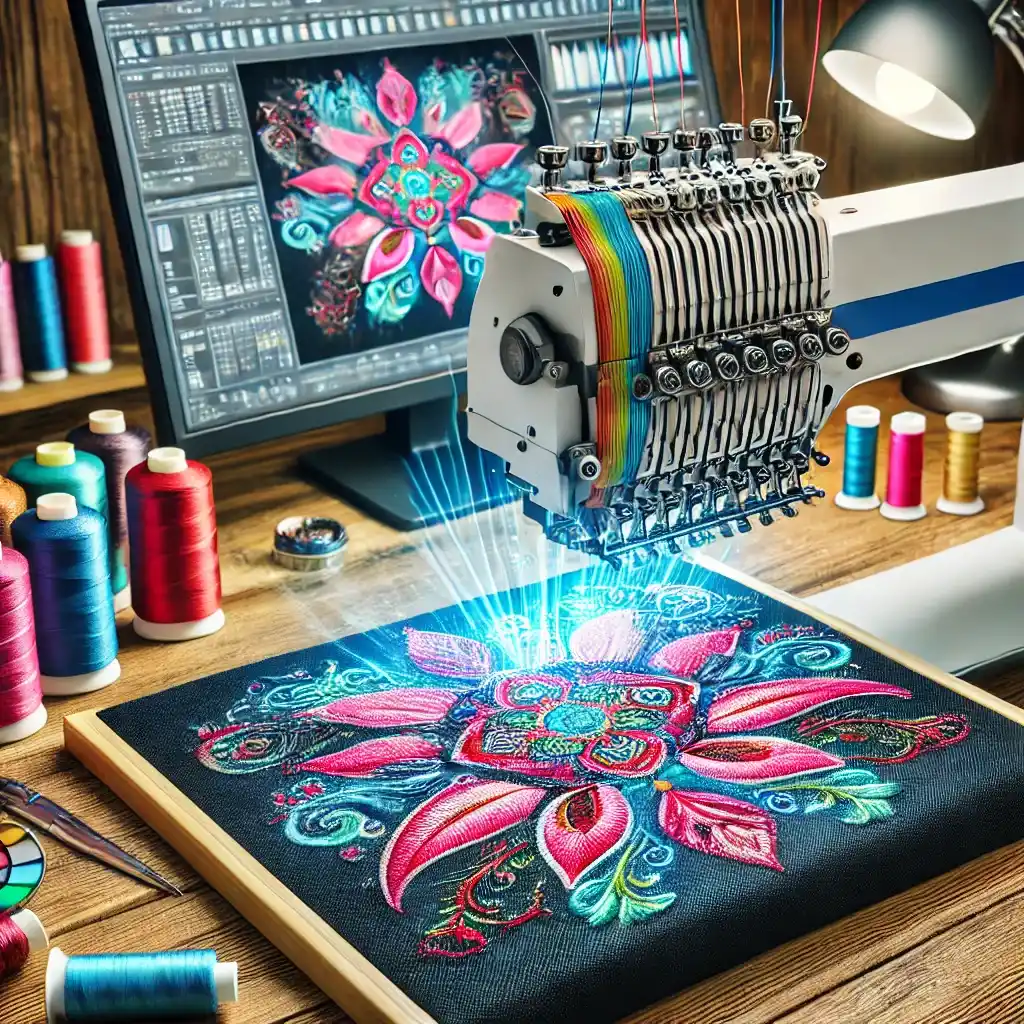
At its core, embroidery digitizing is the process of converting artwork into a digital file that an embroidery machine can read and execute. This involves using specialized software to create a series of commands that guide the machine's needle movements, stitch placements, and color changes. Essentially, it's about translating a flat image into a series of stitches that can be embroidered onto fabric.
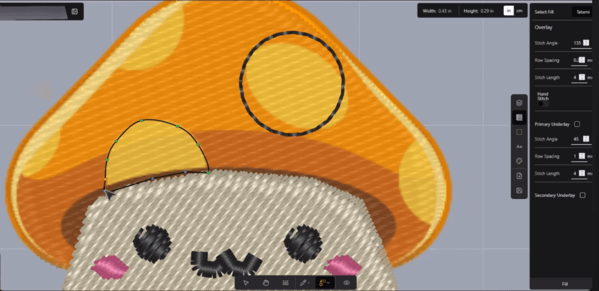
The digitizing process starts with a digital or scanned image, which is then imported into the software. The digitizer traces the design, assigns stitch types, and optimizes the pathing for the embroidery machine. The result is a digital file that tells the machine exactly how to reproduce the design in thread, ensuring accuracy and consistency.
The Importance of Embroidery Digitizing
Embroidery digitizing is crucial for achieving high-quality and precise embroidery. Unlike manual embroidery, where variations can occur, digitizing ensures that each stitch is placed accurately according to the design. This precision is especially important for intricate and complex designs, where even minor deviations can affect the overall appearance.
For businesses, embroidery digitizing offers numerous benefits. It allows for easy customization, enabling companies to offer personalized products to their customers. Additionally, digitizing makes it possible to scale production efficiently, as the digital file can be used to reproduce the design on multiple items without loss of quality. This capability is invaluable for meeting large orders and maintaining consistency across products.
Tools and Software for Embroidery Digitizing
Several software programs are available for embroidery digitizing, each with its own set of features and capabilities. Popular options include Wilcom, Brother PE-Design, and Hatch Embroidery Software. These tools provide a range of functionalities, from basic design tracing to advanced stitch editing and path optimization.
Wilcom, for instance, is known for its comprehensive features and user-friendly interface, making it a favorite among professional digitizers. Brother PE-Design offers robust options for both beginners and experienced users, with intuitive tools for creating and editing designs. Hatch, on the other hand, provides a seamless workflow with powerful customization options, ideal for those looking to create unique and detailed embroidery.
The Digitizing Process
The digitizing process involves several steps, each crucial for achieving a high-quality embroidered design. It begins with artwork preparation, where the image is cleaned up and simplified if necessary. This step ensures that the design is suitable for embroidery and free from unnecessary details that could complicate the digitizing process.
Next is pathing, where the digitizer determines the most efficient way for the machine to stitch the design. This involves planning the stitch order and minimizing thread breaks to ensure a smooth and continuous stitching process. Stitch types and directions are then assigned, with careful consideration of the design's structure and desired texture. Finally, underlay stitches are added to stabilize the fabric and improve the overall quality of the embroidery.
Types of Stitches in Embroidery Digitizing
Embroidery digitizing utilizes various stitch types, each serving a specific purpose and creating different effects. Satin stitches, for example, are commonly used for outlines and text due to their smooth and shiny appearance. Fill stitches are used to cover larger areas and add texture, while running stitches are ideal for fine details and connecting elements within the design.
Choosing the right stitch type is crucial for achieving the desired look and feel of the embroidery. Satin stitches work well for bold and prominent elements, while fill stitches provide coverage and depth. Running stitches, being thinner, are perfect for delicate details and intricate patterns. Understanding when and how to use each stitch type is key to successful digitizing.
Challenges in Embroidery Digitizing
Despite its many advantages, embroidery digitizing comes with its own set of challenges. Common issues include thread breaks, poor stitch quality, and alignment problems. These challenges can arise from various factors, such as improper pathing, incorrect stitch settings, or issues with the fabric or thread.
To overcome these challenges, it's essential to test the digitized design on fabric before proceeding with full production. This allows for adjustments and fine-tuning to ensure the best possible result. Additionally, understanding the capabilities and limitations of both the digitizing software and the embroidery machine can help avoid potential problems and achieve high-quality embroidery.
Applications of Embroidery Digitizing
Embroidery digitizing has a wide range of applications across various industries. In the fashion industry, it's used to create custom designs on clothing, accessories, and home textiles. Companies also use digitized embroidery for branding purposes, adding logos and monograms to corporate apparel and promotional items.
Beyond fashion, embroidery digitizing is popular in the production of personalized gifts, such as towels, blankets, and baby items. It's also used in the creation of sports uniforms, team apparel, and other custom merchandise. The versatility of digitized embroidery makes it a valuable tool for anyone looking to add a personal and professional touch to their products.
Conclusion
Embroidery digitizing is a powerful technique that brings digital designs to life with thread and fabric. Its precision, customization capabilities, and scalability make it an essential process for businesses and hobbyists alike. By understanding the basics of embroidery digitizing and exploring the tools and techniques involved, anyone can create beautiful and intricate embroidered designs.
Whether you're new to embroidery or looking to enhance your skills, digitizing offers endless possibilities for creativity and expression. Embrace the art and technology of embroidery digitizing, and discover the incredible potential it holds for your projects.